How to Choose the Best Anti Rust Metal Buttons for Your Needs?

Time:2026-07-13 Author:Isabella
0%

Choosing the right anti-rust metal buttons can significantly impact your projects. These buttons are essential for ensuring durability and functionality in various applications. With countless options available, it's crucial to understand what makes a button the best fit for your needs.

When selecting anti-rust metal buttons, consider the material and coating. Stainless steel and brass are popular choices due to their resistance to corrosion. However, not all coatings are equal. A high-quality finish can enhance longevity. Analyze the specific environment where these buttons will be used. Humid or marine conditions require buttons with superior rust resistance.

It’s important to reflect on your requirements. What will you use these buttons for? Are aesthetics a priority? Perhaps you need strength over style. Assess your priorities carefully. Remember, the perfect button may not exist. However, understanding your needs will lead you closer to the right anti-rust metal buttons.
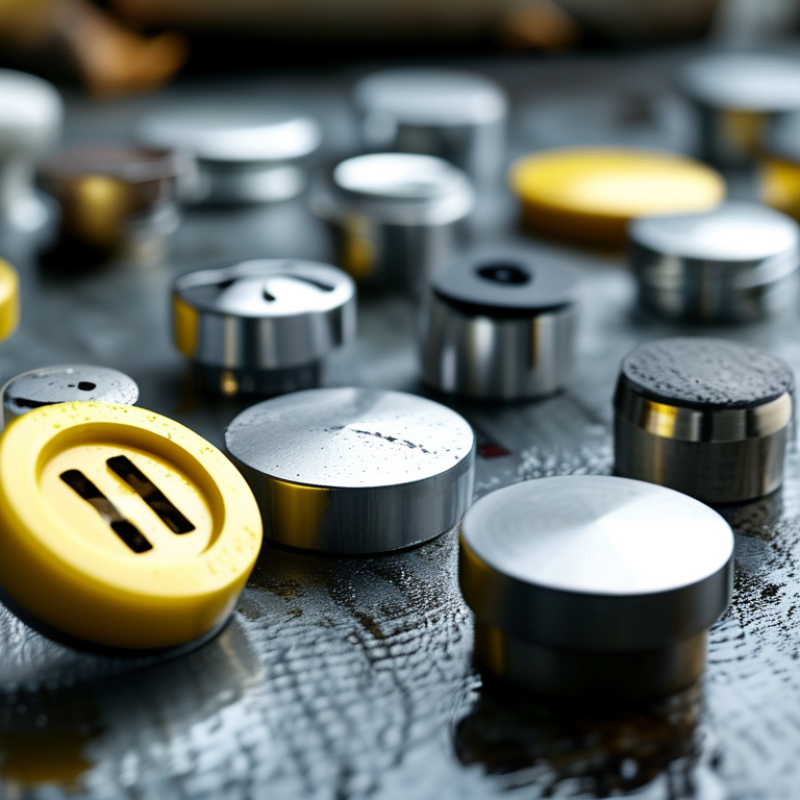
How to Choose the Best Anti Rust Metal Buttons for Your Needs?

Factors to Consider When Selecting Anti Rust Metal Buttons

When selecting anti-rust metal buttons, consider several key factors. The material is crucial. Stainless steel and brass are popular choices, known for their durability and rust resistance. Avoid low-quality metals that may deteriorate quickly.

Another important factor is the finish of the button. A properly applied coating can enhance rust protection. Look for products with a smooth finish that resists wear and corrosion. A shiny, polished exterior often indicates better craftsmanship.

Tips for selection: Test the texture and feel in-store. Check for any sharp edges that could snag fabrics. Always inquire about the manufacturing process to ensure quality. Reflect on your specific needs. Will they be exposed to moisture often? This could influence your choice significantly. Always remember, the right button can enhance both functionality and style.

Comparison of Anti Rust Metal Button Types

Types of Materials Used in Anti Rust Metal Buttons: Pros and Cons

When selecting anti-rust metal buttons, the material is crucial. Different materials offer unique advantages and drawbacks. Stainless steel is popular. It resists corrosion and rust effectively. However, it can be heavier than other options. Weight can impact comfort, especially in garments. Aluminum is lighter but may not be as durable in harsh environments. It’s essential to balance weight and strength based on your needs.

Brass is another choice. It has a classic appearance and resists rust. However, its susceptibility to tarnishing can lead to more maintenance. This tarnishing might be a concern for those seeking low-maintenance options. Some also prefer coated metal buttons. These can look attractive but might wear off over time. This wear can lead to unexpected issues. Consider how often the buttons will be exposed to moisture and stress. Each material has strengths, but also limitations that may not be obvious at first glance. Choose wisely based on your specific use case.

Evaluating the Durability of Different Anti Rust Metal Button Options

When evaluating the durability of anti-rust metal buttons, consider the material composition. Stainless steel is often preferred for its corrosion resistance. It withstands moisture better than many alternatives. However, not all stainless steel is equal. Some variants may rust under extreme conditions or if the protective coatings wear off.

Another option is brass, which has natural anti-corrosive properties. Brass buttons can endure wet environments but may tarnish over time. If appearance matters, the tarnish could be a drawback. Moreover, some users overlook the impact of finishes. Different coatings can enhance durability but may wear over time with frequent use. In harsh conditions, this wear could lead to unexpected rust issues.

Ultimately, testing different options in your specific environment could provide better insights. Observe how each type reacts over time. This may reveal the lesser-known weaknesses of your chosen buttons. Reflecting on these experiences can guide future selections. Make informed choices by weighing durability against your practical needs.

Industry Standards for Anti Rust Treatments in Metal Fasteners

When selecting anti-rust treatments for metal fasteners, understanding industry standards is crucial. These standards guide manufacturers in creating effective solutions. Common treatments include electroplating and powder coating. Each method has distinct advantages and challenges. For instance, electroplating offers a smooth finish but may not be as durable in harsh environments. This can lead to rust development if not applied correctly.

Another standard treatment is the use of conversion coatings. These coatings provide a chemical bond that enhances corrosion resistance. However, their effectiveness can vary based on the substrate material. Some treatments require adequate surface preparation, which often poses challenges during application. Attention to detail is essential. Inconsistent application may render the treatment ineffective.

While these standards offer a foundation, not all fasteners are created equal. The environment where these fasteners will be used should dictate the choice of anti-rust treatment. A coastal area exposes fasteners to salt water, which can accelerate rust. Therefore, selecting a treatment that meets specific environmental challenges is vital. Ultimately, a thorough examination of both standards and unique project needs will lead to the best choice.

Cost Analysis: Budgeting for High-Quality Anti Rust Metal Buttons

When budgeting for anti-rust metal buttons, it’s essential to consider various factors beyond just price. High-quality buttons may have a higher upfront cost, but they offer long-term savings. Cheaper options often corrode quickly, leading to frequent replacements. This can result in wasted money and time. Investing in durable materials may require a stretch in your budget but can be more economical in the long run.

Cost analysis should also include the manufacturing process and materials used. Standard metal buttons might appear affordable but often lack proper treatment against rust. This can lead to disappointment when they fail sooner than expected. Look for buttons that use advanced coatings or treatments. These may cost more initially but ensure reliability. Always evaluate reviews or seek opinions from experts to gauge the value of your purchase.

Don’t overlook additional costs like shipping or bulk buying discounts. Sometimes, ordering in larger quantities can reduce the price per unit. This may seem like a financial strain upfront but can ensure you have what you need without frequent reorders. Research and plan your budget accordingly; understand that quality may need to take precedence over immediate savings.

FAQS

: What materials are best for anti-rust metal buttons?

: Stainless steel is often preferred for its corrosion resistance. Brass also has anti-corrosive properties.

Can stainless steel rust?

Yes, some stainless steel can rust under extreme conditions or if protective coatings wear off.

How does brass hold up in wet environments?

Brass buttons can endure wet conditions. However, they may tarnish over time, affecting their appearance.

What impact do finishes have on metal buttons?

Finishes can enhance durability but may wear over time, especially with frequent use.

What are common anti-rust treatments for fasteners?

Common treatments include electroplating and powder coating. Each offers unique advantages and challenges.

Why is surface preparation important for treatments?

Adequate surface preparation ensures the effectiveness of anti-rust treatments. Poor preparation can lead to failure.

How can environmental factors affect fasteners?

Environments, like coastal areas, expose fasteners to salt water, which accelerates rust development.

Should I test buttons in my specific environment?

Yes, testing different options in your environment helps identify weaknesses and improve future selections.

Can finishes completely prevent rust?

No, finishes wear down over time and may eventually allow rust to develop.

What should I consider before choosing a fastener treatment?

Weigh durability against your project needs. Consider the environment where the fasteners will be used.

Conclusion

When selecting Anti-Rust Metal Buttons, it's essential to consider several key factors to ensure the best fit for your needs. The materials used in these buttons come with varying pros and cons; for example, while stainless steel offers high durability, aluminum may be lighter and more cost-effective. Evaluating the durability of different options involves understanding the specific conditions in which the buttons will be used, as some environments may accelerate corrosion.

Additionally, being aware of industry standards for anti-rust treatments in metal fasteners can help inform your choice, ensuring compliance and reliability. Finally, conducting a cost analysis is crucial when budgeting for these high-quality Anti-Rust Metal Buttons, as investing in superior options can significantly enhance longevity and performance, ultimately offering better value over time.

Isabella

Isabella

Isabella is a dedicated marketing professional with a sharp focus on driving brand growth and engagement through strategic content creation. With an extensive background in digital marketing, she combines her passion for storytelling with her keen understanding of industry trends to deliver......