Choosing the right rivet for jeans is not merely a style decision. It’s a blend of function and aesthetic value. Rivets serve as both decorative and structural elements. They reinforce seams and add a touch of flair.
When selecting a rivet for jeans, consider materials and finishes. Metal rivets are popular for their durability. However, plastic options can provide a unique look. Color and texture also matter in creating the desired appearance.
Many people overlook the size of rivets. A misjudged diameter can affect both the fit and look of your jeans. It’s essential to keep practicality in mind. After all, the right rivet for jeans enhances both comfort and style. Reflect on your choices carefully; even small details make a significant impact.
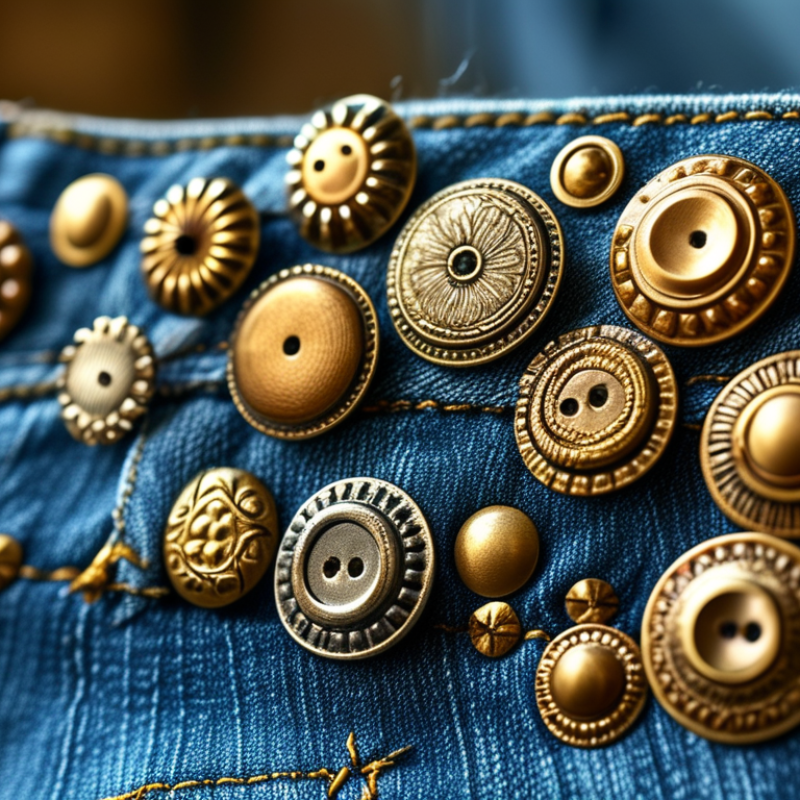
When choosing rivets for jeans, it’s essential to understand the types available. The most common type is the flat-head rivet. This rivet features a broad head and is ideal for classic denim designs. Its smooth surface prevents snagging and adds a polished look.
Then there's the dome-head rivet. This type has a rounded head, offering a more vintage appeal. It can elevate the style of distressed or fashion-forward denim.
Another option is the self-colored rivet. This type matches the fabric color and provides a subtle touch. It’s perfect for clean, minimalist designs. On the other hand, contrasting rivets can make a bold statement. They stand out and draw attention to the jeans, often enhancing the overall aesthetic.
Think about your jeans' function. Are they for everyday wear or special occasions? The choice of rivet can affect not only the look but also the durability of your jeans. Pay attention to the material of the rivets, as metals can differ in quality. High-grade metals resist corrosion and wear.
Considering the right rivet type can make a big difference. Don't rush this decision. Look at various styles and test how they feel. Reflect on both practicality and fashion.
Choosing the right rivet for jeans involves understanding material compatibility. Denim is a sturdy fabric, but its weave and weight can vary. Selecting rivets made from materials that offer durability is crucial. Common options include copper, aluminum, and brass. Each material offers unique qualities, like corrosion resistance or strength.
Consider the weight of the denim when choosing rivets. Heavier materials pair well with thicker fabrics. A lighter rivet may not provide enough support. Test multiple rivet types to see which works best. Sometimes, a rivet can look great but fail to secure properly after wear. Ensure the rivet matches the color and finish of the jeans, enhancing the overall appearance.
Evaluate the potential for wear and tear. Rivets endure considerable stress, especially at points of movement. A poor choice can lead to fabric damage over time. Reinforcement might be necessary in high-stress areas. By analyzing the interplay between rivet material and denim, you can make informed decisions that lead to better craftsmanship in your jeans.
Choosing the right rivets for your jeans involves understanding size and shape. The first step is to measure the thickness of the fabric. Most denim ranges from 10 oz to 15 oz. For thicker fabrics, larger rivets provide better support. Smaller rivets can be used for lighter denim, ensuring they don’t overpower the design.
Pay attention to the shape. Round rivets are popular for jeans. They add a classic touch and distribute stress evenly. Flat rivets can be a good option. They create a smoother finish and are less likely to snag. Consider your overall visual and functional aesthetic when deciding.
Consider these tips: Experiment with different sizes before making a final choice. It’s helpful to have samples on hand. Also, think critically about where you place rivets. Misplacement can detract from your jean’s design. Ensure they enhance, not overwhelm, your style.
When it comes to rivet placement on jeans, both strength and aesthetics are crucial. The right position can enhance durability while making a fashion statement. Placing rivets at stress points, like pocket corners and waistbands, can reinforce these areas. However, a cramped look can emerge if too many rivets are applied. Evaluating the balance between function and design is essential.
Rivets should not be used randomly. Their placement must complement the overall design of the jeans. For example, placing a rivet slightly off-center can create a unique visual appeal. Yet, this decision should involve considering the fabric type. Thin fabrics may not handle the weight of a heavy rivet well.
The size of the rivet also plays a role. Larger rivets stand out but could overwhelm a delicate design. On the other hand, smaller rivets might blend in too much. An ideal solution could be using varying sizes in different areas. This method maintains aesthetic intrigue while ensuring strength at critical stress points. Experimenting with placement and size may lead to better designs, revealing that it's a process of trial and error.
| Rivet Type | Material | Diameter (mm) | Placement Area | Ideal Use | Aesthetic Features |
|---|---|---|---|---|---|
| Standard Rivet | Copper | 5 | Pocket Corner | General Use | Traditional Finish |
| Decorative Rivet | Brass | 6 | Waistband | Fashion Denim | Shiny Finish with Embellishments |
| High-Strength Rivet | Steel | 4 | Seam Lines | Durable Workwear | Matte Finish |
| Color-Coated Rivet | Aluminum | 5 | Hemline | Trendy Styles | Vibrant Colors |
When designing jeans, selecting the right rivet is crucial. Designers often face a choice between decorative and functional rivets. Research indicates that around 70% of consumers prioritize style and aesthetics in denim fashion. Decorative rivets provide a unique aesthetic appeal. They add visual interest and enhance the overall design. The sparkle or color of the rivet can significantly influence consumer perceptions.
On the other hand, functional rivets serve a practical purpose. They reinforce stress points, helping to prevent tearing near pockets and seams. Data suggests that jeans with functional rivets last 30% longer than those without. Consumers often overlook this vital aspect but appreciate durability when making a purchase. A well-placed functional rivet can save both the jeans and the wearer from potential embarrassment.
Designers must strike a balance. The choice of rivet style can affect not just appearance but also the product's longevity. While attractive rivets can draw attention, they might not always provide the necessary strength. Designers should reflect on their intended market and the jeans' overall use. Are the jeans meant for high fashion or everyday wear? This consideration is essential for creating a product that meets both aesthetic and functional demands.
: Rivet placement is crucial for strength and aesthetics. It can enhance durability and fashion appeal.
Rivets should be positioned at stress points, like pocket corners and waistbands, to reinforce these areas.
Yes, excessive rivets may create a cramped appearance. Balance is necessary for both function and design.
Thin fabrics might struggle with heavy rivets. Consider the material's strength when deciding on placement.
Larger rivets stand out but can overwhelm delicate designs. Smaller rivets might blend in too much.
It depends on the intended use. Functional rivets reinforce stress points, while decorative ones focus on aesthetics.
Decorative rivets add visual interest and affect consumer perception. They enhance the overall look of jeans.
Jeans with functional rivets can last 30% longer. This factor is often overlooked by consumers but matters.
Designers should consider market needs. High fashion may favor decorative rivets, while everyday wear may need more functional ones.
No, it often involves trial and error. Designers may need to experiment with placement and sizes for the best results.
When selecting the right rivet for jeans, it's essential to understand the various types of rivets available and their compatibility with denim fabric. Different materials used in rivets can affect the durability and appearance of the jeans, so assessing material compatibility is crucial. Additionally, the size and shape of the rivets play a significant role in both functionality and style, making it important to choose appropriate dimensions to enhance the overall design.
Furthermore, evaluating rivet placement is key to ensuring both strength and aesthetic appeal. The positioning of rivets can contribute to the structural integrity of the jeans, while also adding to their visual interest. Finally, one must decide between decorative and functional rivets, depending on the desired outcome for the jeans design. By carefully considering these factors, you can effectively choose the right rivet for jeans that meets both practical and stylistic needs.

Fangyuan Metal Button