Top 10 Suit Horn Buttons Suppliers Worldwide?

Time:2026-11-04 Author:Amelia
0%

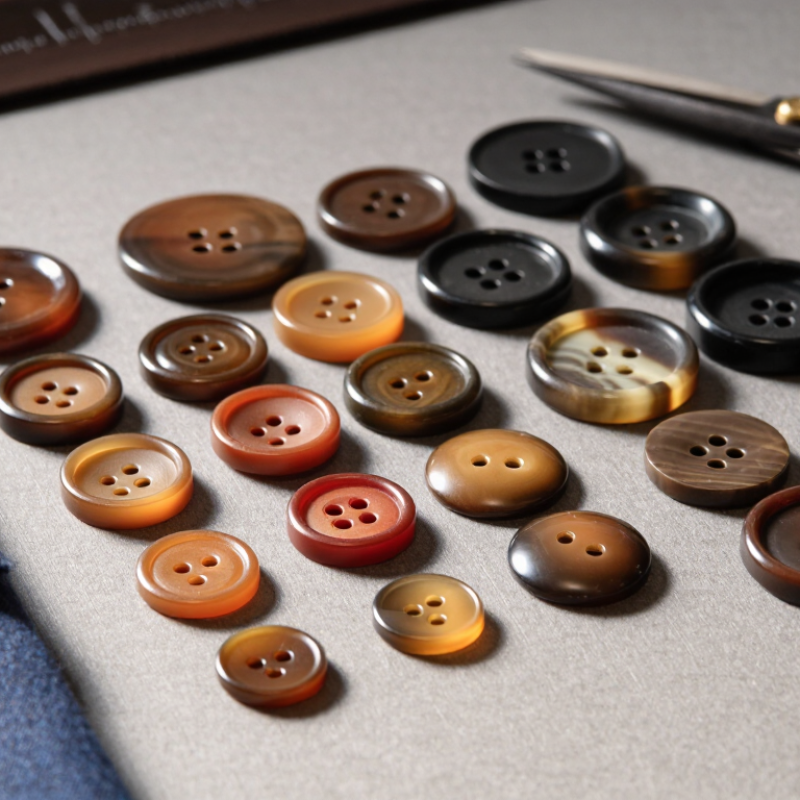
Suit Horn Buttons bring quiet character to a tailored jacket. Their natural patterns, warm tones, and subtle variations can make each button slightly different. Small details matter. Yet appearance alone is not enough when choosing a supplier. Buyers also need consistent sizing, clean drilling, smooth edges, and finishes that suit the garment and its intended use.

This guide to the Top 10 Suit Horn Buttons Suppliers Worldwide introduces companies for closer evaluation, rather than treating a list as a final verdict. Supplier capabilities can change, and availability may depend on order size, material selection, and destination. Request samples before committing. Compare button diameter, thickness, color range, hole placement, and surface finish under the same lighting. Ask about production capacity, minimum order quantities, lead times, and quality checks. Clear answers are useful; vague promises are not.

Material documentation deserves attention, too. Confirm what the supplier means by “horn,” how the material is sourced, and what records are available for your purchasing needs. Requirements can differ by market, so verify relevant details with qualified advisers when necessary. A polished catalog does not guarantee a reliable production run. That is worth remembering. A supplier may meet every specification on paper, yet a sample can feel too light or show uneven coloring. The best choice is the one that combines dependable communication, repeatable quality, and a product that works with your fabric and design. This overview offers a practical starting point, not a substitute for direct checks.
Top 10 Suit Horn Buttons Suppliers Worldwide?

Understanding Horn Buttons Used in Suitmaking

Understanding Horn Buttons Used in Suitmaking

Horn buttons bring subtle depth to a suit. Their natural patterns, soft sheen, and solid feel differ from uniform plastic. Many are made from water-buffalo horn, though color and grain vary between pieces. That variation can look elegant on a charcoal jacket, but it makes matching replacements harder. In production, check button thickness, hole spacing, edge polish, and resistance to cracking before approving a batch. A button should pass through the buttonhole smoothly, without snagging the cloth.

Material choice also sits within a broader sourcing conversation. Textile Exchange’s 2024 Materials Market Report estimates that global fiber production reached 124 million tonnes in 2023, and projects 160 million tonnes by 2030. This is not a horn-button statistic; it shows why clear material records matter across apparel supply chains. Ask suppliers how horn is sourced, sorted, and documented. Request samples from more than one production lot, since natural variation can be significant. Still, no batch is perfectly uniform. That may be part of the appeal, or a headache.

Tips: Test buttons on the actual suit fabric. Check them under daylight and indoor lighting. Keep spare buttons from the same lot, and record their dimensions and finish.

Understanding Horn Buttons Used in Suitmaking

Typical button diameters vary by garment and design: jacket front buttons are often larger than sleeve buttons, while waistcoat buttons generally fall between them. These approximate ranges are not universal specifications; always check the garment pattern and button requirements.

How Suit Horn Buttons Are Made and Graded

How Suit Horn Buttons Are Made and Graded

Suit horn buttons begin with sorted horn material, where color, thickness, and visible flaws affect how each piece can be used. Workers soften and flatten suitable sections, cut button blanks, then turn, drill, and polish them. A warm polish reveals the natural streaks and cloudy bands in the material. Small flaws matter. Grading commonly considers cracks, pits, surface smoothness, color consistency, and dimensional accuracy, but there is no single worldwide grading scale for horn buttons. A supplier’s “premium” grade may therefore not match another supplier’s.

Reliable checks need controlled conditions. ISO 139:2005 specifies a textile testing atmosphere of 20 ± 2°C and 65 ± 4% relative humidity, useful when conditioning garments before evaluation. ASTM D4846 provides a button pull-through test method, though it does not define horn quality grades. Buyers can request dimensional tolerances, sample approval, and pull-test results for the finished garment. Natural variation remains part of the material, not automatically a defect. Still, grading can be subjective. A polished sample may hide marks that become clearer under angled light, so visual inspection should include several buttons from the same batch.

Criteria for Evaluating Horn Button Suppliers

When evaluating horn button suppliers, examine material consistency, workmanship, and the evidence behind their claims. Ask for samples from more than one production batch, not just a polished showroom piece. Check each button for smooth edges, cleanly drilled holes, and an even finish. Natural material can vary in color and pattern, so agree on acceptable variation before placing an order. Small details matter.

Request clear specifications for size, thickness, finish, and color range. Confirm that the supplier can document material composition and provide sourcing information relevant to your purchasing requirements. Ask about inspection procedures, defect handling, lead times, and minimum order quantities. A reliable supplier should answer these questions plainly and explain what happens if delivered goods differ from the approved sample. Production capacity matters, but communication matters too. A large supplier is not automatically the best fit. No checklist removes every doubt.

Tips: Keep an approved sample and written specifications on file. Photograph batch differences under consistent lighting. Ask for a small trial order when practical; it can reveal issues that a single sample misses. Then review the results with your sewing or production team.

Top 10 Suit Horn Button Suppliers Worldwide

Top 10 Suit Horn Button Suppliers Worldwide

A useful worldwide comparison of suit horn button suppliers should look beyond price and polished product photos. Natural horn can show subtle differences in shade, grain, and surface texture. That variation gives buttons character, but it can also make matching a large order harder. Ask suppliers how they sort batches and approve production samples.

Check practical details. Request measurements, hole spacing, edge finishing, and clear photographs under neutral light. A dependable supplier should explain its inspection process and provide consistent specifications for repeat orders. Ask about documented material sourcing, production capacity, sample lead times, and protective packaging. Small details matter. A scratched button can spoil an otherwise well-made jacket.

The “top ten” should be treated as a shortlist, not a universal ranking. A supplier suited to a small tailoring studio may not handle a seasonal factory order well. Compare communication, sample accuracy, and how clearly problems are addressed. One caution: a beautiful sample is not proof of consistent bulk quality. I would request a small trial order before committing, even when the supplier’s catalog looks excellent. That extra step takes time, but it can reveal uneven color or rough edges before they reach finished garments.

Comparing Supplier Strengths, Services, and Standards

Comparing suit horn button suppliers worldwide means looking beyond price lists and glossy sample cards. A useful comparison starts with material traceability, batch consistency, and clear limits on natural variation. Real horn can show fine streaks, small tone shifts, and uneven translucency. That is normal, but suppliers should explain acceptable ranges before bulk production.

Ask how buttons are cut, polished, drilled, and sorted. Inspect hole alignment, edge smoothness, thickness, and the feel of the underside against fabric. Small defects matter. A rough rim may catch lining, while a shallow countersink can make stitching sit awkwardly. Request a pre-production sample and compare it with a randomly selected production piece, not only the best sample.

Service strength is visible in response times, sample options, sizing support, packaging, and the way a supplier handles a failed inspection. Ask for written specifications, inspection records, and material declarations where available; verify what each document actually covers. Some suppliers offer broad size ranges but limited color matching, while others provide careful sorting at a higher cost. The cheaper quote is not always the better value. Lead times can shift when raw material varies, and that deserves a plain explanation. I would still allow room for judgment: natural shades rarely match a screen perfectly, and one comparison can mislead.

FAQS

What makes horn buttons different from plastic buttons?

Horn buttons have natural color patterns, a soft sheen, and a solid feel. Each piece can look slightly different.

How can I check button quality?

Inspect thickness, hole spacing, edge polish, and surface finish. The button should pass through the suit fabric without snagging. Check for cracks.

Why can matching replacement buttons be difficult?

Natural horn varies in shade and grain, even within one order. Keep spare buttons from the same production lot.

What should I ask a supplier before ordering?

Request written details for size, thickness, finish, and color range. Ask how the material is sourced and documented.

Is one sample enough to judge an order?

Not always. Request samples from multiple production lots when possible. A polished sample may not represent a full batch.

How should I compare samples with the finished fabric?

Test them on the actual suit cloth. View them in daylight and indoors, since the color can appear different.

What supplier details matter beyond price?

Check inspection methods, defect handling, lead times, and minimum order quantities. Clear answers matter. Large capacity alone proves little.

How can I reduce surprises in a bulk order?

Keep an approved sample and written specifications on file. Photograph batches under consistent lighting, then consider a small trial order. It takes time, but I would not skip it.

Conclusion

This article explores the role of Suit Horn Buttons in tailored clothing, from their natural appearance and tactile qualities to the ways they complement different fabrics and designs. It explains how horn buttons are shaped, polished, and graded, highlighting factors such as color variation, surface quality, durability, and consistency. Readers will also learn what to consider when assessing suppliers, including product selection, manufacturing capabilities, quality control, customization, communication, and delivery reliability.

The guide presents ten types of suppliers from around the world and compares their strengths, services, and standards without focusing on brand promotion. By outlining practical questions for evaluating materials, samples, production processes, and support, it helps suitmakers and buyers make informed sourcing decisions. The aim is to show how careful supplier selection can support dependable quality and a refined finish across different suitmaking needs.

Amelia

Amelia

Amelia is a seasoned marketing professional with a wealth of expertise in our company’s core offerings. With an unwavering passion for driving growth and innovation, she plays a pivotal role in shaping our marketing strategies and enhancing brand visibility. A key aspect of her responsibilities......