Top 10 Zinc Alloy Metal Buttons for Global Buyers How to Choose?

Time:2026-07-03 Author:Aria
0%

Zinc Alloy Metal Buttons are gaining popularity in the fashion and manufacturing industries. As per a recent industry report, the demand for these buttons has increased by 25% over the past three years. This surge is largely due to their durability and aesthetic appeal. Made from a mixture of zinc and other metals, zinc alloy buttons offer corrosion resistance and longevity compared to traditional materials.

Choosing the right Zinc Alloy Metal Buttons can be daunting. With numerous suppliers and styles available, buyers must consider factors like quality and design. A 2022 survey indicated that 70% of manufacturers prioritize button quality over cost when selecting suppliers. This highlights the importance of making informed decisions. Additionally, the right choice can elevate the overall product appeal, ensuring customer satisfaction.

Yet, it's crucial to acknowledge that not all suppliers meet the same standards. Some may compromise on quality for price. Therefore, taking time to research potential suppliers and their offerings can yield better results. Understanding industry trends and consumer preferences plays a significant role in this selection process. As the market evolves, staying informed is essential for successful purchasing decisions in the realm of Zinc Alloy Metal Buttons.
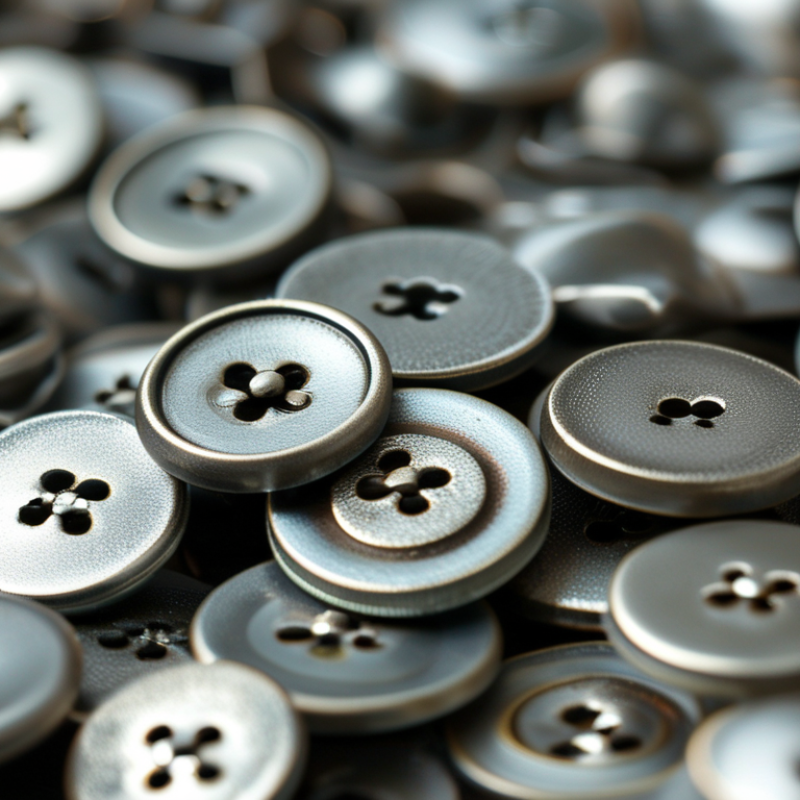
Top 10 Zinc Alloy Metal Buttons for Global Buyers How to Choose?

Factors Influencing the Selection of Zinc Alloy Metal Buttons

When selecting zinc alloy metal buttons, various factors play a crucial role. The first consideration is the intended use. Are these buttons for clothing, crafts, or industrial purposes? Each application may require a different type of durability and finish.

Material composition is equally important. Zinc alloy buttons can contain varying percentages of metals like aluminum and copper, affecting their strength and corrosion resistance. Buyers should request detailed specifications from suppliers to ensure quality.

Tips: Always assess the manufacturing process. Buttons made with precision casting tend to be more durable. Additionally, consider the surface finish. A smooth or polished finish can enhance aesthetic appeal while offering protection against wear.

Design can significantly influence choice. A unique shape or intricate engraving can elevate a product's value. However, custom designs often come with longer lead times and higher costs.

Tips: Be mindful of trends in fashion. While classic designs have their place, modern styles may attract more attention in certain markets. Reflecting on past experiences and market feedback can aid in making a well-informed decision.

Common Zinc Alloys Used in Button Production and Their Properties

When considering zinc alloys for button production, several common options stand out. The most popular alloys include Zamak, which offers excellent strength and corrosion resistance. Zamak alloys are often chosen for their malleability and finish, making them ideal for intricate designs. Another widely used alloy is Zamac, which is slightly less durable but has a smoother texture, suitable for high-quality finishes.

Choosing the right alloy is crucial. Each type has distinct properties. For example, some alloys may corrode more quickly in humid environments, while others may be brittle under stress. Understanding these factors can guide buyers in making informed decisions.

Tips: Look for zinc alloys with higher copper content for improved strength. Pay attention to the finish quality; a good finish can enhance durability. Test samples before finalizing your order. This can save time and resources. Investigate suppliers’ reputation; reliability is key in sourcing quality materials.

Top 10 Zinc Alloy Metal Buttons for Global Buyers - How to Choose?

Button Type Zinc Alloy Corrosion Resistance Tensile Strength (MPa) Common Use
Shank Button Zamak 3 Good 280 Coats, Jackets
Snap Button Zamak 5 Excellent 300 Workwear, Bags
Shank Button Zamak 2 Moderate 250 Trousers, Skirts
Flat Button Zamak 6 Very Good 305 Shirts, Blouses
Decorative Button Zamak 7 Good 290 Fashion Apparel
Catwalk Button Zamak 8 Excellent 310 Runway Shows
Cargo Button Zamak 9 Very Good 320 Outdoor Gear
Button Fly Zamak 10 Very Good 330 Jeans, Shorts
Riveted Button Zamak 11 Fair 240 Dresses, Coats
Cuff Button Zamak 12 Good 280 Cuffs, Formal Wear

Market Trends: Demand and Supply for Zinc Alloy Buttons Globally

Global demand for zinc alloy buttons has been on the rise. According to recent industry reports, the market is expected to grow by 5.6% annually over the next five years. This growth reflects an increasing preference for durable and aesthetically pleasing fasteners in fashion and manufacturing industries. Zinc alloy buttons offer excellent corrosion resistance and a high-quality finish, making them a popular choice worldwide.

However, the supply chain faces challenges. Availability of raw materials can fluctuate, affecting production. Some manufacturers report delays due to sourcing issues, which may hinder the timely delivery of products. Industry data indicates that around 30% of buyers experience supply lags caused by these material shortages. Therefore, global buyers must consider these factors when selecting suppliers. Consistent quality and reliable delivery are crucial for maintaining production schedules.

Furthermore, the sustainability aspect cannot be ignored. Many buyers are seeking suppliers who prioritize eco-friendly practices. A report showed that nearly 40% of buyers are willing to pay a premium for sustainably produced zinc alloy buttons. Manufacturers who adapt to these market trends improve their competitiveness and appeal to conscious consumers. As the market evolves, buyers must remain vigilant and ready to adjust their sourcing strategies based on these dynamics.

Comparative Analysis: Zinc Alloy Buttons vs. Other Metal Button Types

Zinc alloy buttons are known for their durability and aesthetic appeal. They resist rust and corrosion better than many other metal options. This quality makes them ideal for both fashion and functional applications. In contrast, buttons made from materials like plastic can wear out quickly. This leads to frequent replacements and increased costs over time.

When comparing zinc alloy buttons to other metal types, several factors come into play. For example, stainless steel offers strength but may lack the variety of finishes available with zinc alloys. Copper buttons, while visually striking, can tarnish and require more maintenance. Buyers should consider the intended use. Fashion items may prioritize looks, while utility applications could prefer durability and strength.

Sourcing zinc alloy buttons involves evaluating suppliers carefully. Ensure they provide quality standards and testing certifications. Some manufacturers might cut corners, leading to inconsistent products. Always ask for samples to assess the finish and feel. Investing time in this process can prevent future disappointments and ensure you select the best option for your needs.

Quality Standards and Certifications for Zinc Alloy Metal Buttons

When choosing zinc alloy metal buttons, quality standards and certifications become crucial. Various organizations set these standards to ensure durability and performance. For instance, the American Society for Testing and Materials (ASTM) provides guidelines for testing the mechanical properties of metals. This includes resistance to corrosion and strength, important for button longevity.

The global market for zinc alloy buttons is growing. A report by MarketsandMarkets states that the metal button segment is expected to reach $1 billion by 2025. Buyers must recognize the importance of certifications. ISO 9001 certification indicates a company’s commitment to quality management. It reassures buyers regarding product consistency. Additionally, compliance with RoHS (Restriction of Hazardous Substances) standards is vital. It ensures that buttons are free from harmful substances, promoting safety.

However, not all products adhere to these standards. It's essential for buyers to conduct due diligence. Some manufacturers might overlook certifications to reduce costs. Buyer awareness about quality indicators can prevent unwanted surprises. A robust quality assurance process can help in selecting the right manufacturer. Therefore, understanding these standards will lead to better purchasing decisions.

FAQS

: What are the common zinc alloys used for button production?

: The most popular alloys include Zamak and Zamac. Zamak is known for strength and corrosion resistance. Zamac has a smoother texture.

Why is it important to choose the right zinc alloy?

Each alloy has unique properties. Some can corrode quickly in humidity, while others may become brittle under stress.

What tips can enhance the selection of zinc alloys?

Look for alloys with higher copper content for strength. Examine the finish quality for durability. Testing samples is wise.

How is the global demand for zinc alloy buttons changing?

Demand is rising, projected to grow by 5.6% annually. This is due to the preference for durable and appealing fasteners.

What challenges does the supply chain for zinc alloy buttons face?

Availability of raw materials fluctuates, causing production delays. Around 30% of buyers report supply lags due to shortages.

Are sustainability practices important for buyers of zinc alloy buttons?

Yes, many buyers prefer eco-friendly options. Nearly 40% are willing to pay more for sustainably produced products.

How do zinc alloy buttons compare to plastic buttons?

Zinc alloy buttons are more durable and rust-resistant. Plastic buttons wear out quickly, leading to frequent replacements.

What should buyers assess when sourcing zinc alloy buttons?

Evaluate suppliers for quality standards and testing certifications. Always request samples to avoid future disappointments.

Can the finish of zinc alloy buttons impact their use?

Yes, a good finish enhances durability and aesthetics. Investing in quality finishes can prevent issues in the long run.

Conclusion

This article explores the essential factors influencing the selection of Zinc Alloy Metal Buttons, catering to global buyers. Key aspects include the common zinc alloys utilized in button production, highlighting their unique properties that affect durability, cost, and aesthetic appeal. The article also analyzes current market trends related to the demand and supply of zinc alloy buttons worldwide, shedding light on consumer preferences and production capabilities.

Additionally, a comparative analysis between Zinc Alloy Metal Buttons and other metal button types provides insights into their advantages and limitations. Lastly, the piece emphasizes the importance of adhering to quality standards and certifications, ensuring that these buttons meet global safety and quality benchmarks. Overall, it serves as a comprehensive guide for buyers looking to make informed decisions in their purchasing process.

Aria

Aria

Aria is a dedicated marketing professional with a deep passion for innovative strategies and a keen understanding of our company's product offerings. With a wealth of experience in the industry, Aria excels at crafting engaging content that highlights the unique features and benefits of our......