Top Metal Rivet Fasteners for Global Buyers?

Time:2026-09-16 Author:Oliver
0%

Choosing the right Metal Rivet Fastener is more than comparing prices on a supplier website. Global buyers must assess material, diameter, grip range, head style, and installation method. A fastener that performs well in a light enclosure may fail under vibration or repeated loading. Small details matter.

This guide examines common metal rivet types for machinery, automotive panels, electronics, construction, and general fabrication. It considers aluminum, steel, stainless steel, and coated options. Each material offers different strength, corrosion resistance, weight, and cost. Buyers should match the rivet to the base materials and working environment. Salt air, moisture, heat, and galvanic corrosion can change the decision.

Reliable purchasing also requires evidence. Request dimensional drawings, material certificates, inspection records, and samples before placing large orders. Check whether the supplier controls production consistency, packaging, and batch traceability. Independent testing may be useful for critical applications. It is not always necessary for simple assemblies.

A low unit price can hide unsuitable tolerances or weak mandrels. That assumption can fail. Even experienced teams occasionally overlook installation tools or access limitations. We do too, when specifications remain vague. Clear questions reduce that risk. Confirm quantity, delivery terms, quality expectations, and applicable standards in writing. Product claims should be verified, not simply repeated. This practical overview helps international buyers compare options with greater confidence and fewer costly surprises.
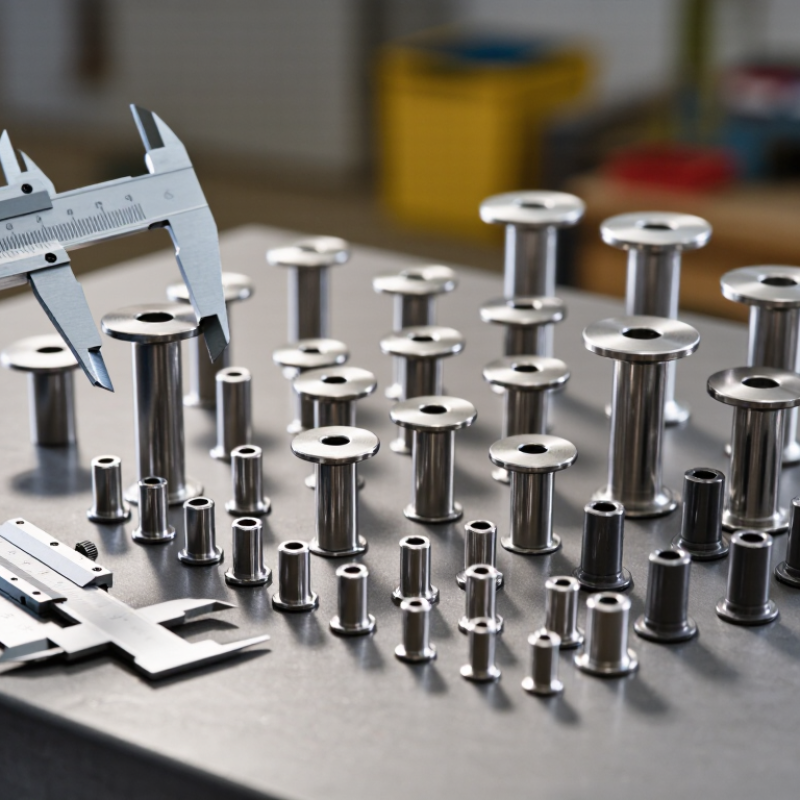
Top Metal Rivet Fasteners for Global Buyers?

Metal Rivet Fasteners: Definition, Types, and Key Features

Top Metal Rivet Fasteners for Global Buyers?

Metal rivet fasteners are permanent mechanical connectors used to join overlapping materials. They usually include a rivet body and a formed head. Installation deforms the tail, creating a second head that holds the joint firmly. Common types include solid rivets, blind rivets, tubular rivets, and self-piercing rivets. Solid rivets suit high-load assemblies, while blind rivets work when only one side is accessible. Tubular designs can support lighter applications. The choice is not always obvious.

Key features include material strength, shank diameter, grip range, head shape, and corrosion resistance. Aluminum rivets are lightweight and resist oxidation in many environments. Steel versions offer higher strength but may need protective treatment. Stainless steel performs well in humid or chemically demanding conditions. Buyers should check dimensional tolerances, shear strength, tensile strength, and installation requirements. A rivet that looks suitable may still fail when the grip range is wrong. I have seen this overlooked during rushed component selection.

Tips: Match the rivet material with the joined materials to reduce galvanic corrosion. Measure the total joint thickness before ordering. Confirm access from both sides. Review inspection records and batch traceability. Test a sample joint under realistic load and temperature conditions. Keep installation pressure consistent. Small differences matter. Finally, ask for technical data, but verify it against your own application rather than accepting every specification blindly.

How Metal Rivet Fasteners Work in Industrial Applications

Top Metal Rivet Fasteners for Global Buyers?

Metal rivets create permanent joints by plastic deformation. A rivet passes through aligned holes, then its tail expands under axial force. This enlarged tail clamps the sheets together.

Blind rivets work differently. Their mandrel pulls the sleeve, forming a rear-side bulb when access is limited. Assembly teams often hear a sharp snap. That sound signals mandrel breakage, not guaranteed joint quality.

Mordor Intelligence estimated the global fastener market at about USD 86 billion in 2024, with continued growth through 2029. The report groups screws, bolts, nuts, and rivets together, so rivet demand remains difficult to isolate.

Still, the data reflects strong consumption across transportation, construction, machinery, and metal fabrication.

In practice, buyers should check rivet diameter, grip range, shear strength, and corrosion resistance.

A 4.8-millimeter aluminum rivet may suit thin panels, but vibration can expose its limits. Steel or stainless-steel options often provide higher strength, although galvanic corrosion requires careful material matching.

Industrial technicians usually inspect hole alignment, burr removal, and setting-tool pressure before production runs. Poor preparation creates loose joints and uneven clamp loads.

ISO 14589 provides test methods for blind rivets, including tensile and shear performance. These tests support purchasing decisions, but laboratory results cannot reproduce every temperature cycle or vibration pattern.

That is the uncomfortable part. A rivet can pass a report’s test and still fail after years of field movement.

Global buyers should validate samples under real service conditions, not rely on catalog figures alone.

Materials and Surface Finishes for Global Sourcing

Global buyers evaluating metal rivet fasteners should begin with the base material, not the surface appearance. Material choice affects strength, weight, corrosion resistance, and installation performance.

Carbon steel rivets offer dependable shear strength for many indoor and protected applications. Zinc plating can improve corrosion resistance, but it is not a permanent shield in marine or high-humidity environments. Stainless steel performs better where moisture, cleaning chemicals, or outdoor exposure are expected. Aluminum rivets reduce weight and resist oxidation, yet they may deform under excessive load. Material compatibility also matters. A stainless steel rivet joined with a dissimilar metal can create galvanic corrosion. Small details often become costly problems.

Surface finish should match the working environment. Zinc plating is common for general industrial use, while passivation helps stainless steel maintain a cleaner protective layer. Nickel plating can provide a smooth, durable surface, but buyers should verify adhesion and thickness. Black oxide offers a dark appearance and limited corrosion protection, so it usually needs additional oil or coating. Decorative finishes may look impressive in samples.

They can fail in real conditions.

Request material certificates, coating specifications, dimensional reports, and corrosion-test data before approving production. Inspect head diameter, mandrel retention, and coating coverage on random samples. A polished sample does not prove stable batch quality. I have found that suppliers sometimes describe finishes differently, creating avoidable sourcing confusion. Clear terminology, agreed inspection limits, and documented packaging requirements make international purchasing more reliable.

Choosing the Right Rivet Fastener for Your Project

Choosing the Right Rivet Fastener for Your Project

Selecting the right metal rivet fastener starts with the joint, not the catalog image. Measure the total material thickness and match it to the rivet’s grip range. A rivet that is too short may not form a secure backside head. One that is too long can leave a weak, uneven installation.

Consider the base materials, hole diameter, and working environment. Aluminum rivets suit lightweight assemblies, while steel or stainless steel options may provide higher strength and better heat resistance. For outdoor equipment, corrosion compatibility matters. Mixing dissimilar metals can create problems over time. Blind rivets help when only one side is accessible. Closed-end designs can also reduce moisture entry. Check shear and tensile requirements against verified technical data, not assumptions. A quick visual check is not enough, although I have relied on one before.

Tips: Confirm the exact grip range. Test several samples using the intended tool. Inspect the formed head and mandrel after installation. Keep the hole round and free from burrs. For global purchasing, request material certificates, dimensional records, and clear packaging details. Review applicable project standards before approval. Small differences in rivet diameter or head style can affect fit, strength, and production speed. A trial batch may seem slower, but it often exposes alignment or tool-pressure issues before full production.

Top Metal Rivet Fasteners for Global Buyers? - Choosing the Right Rivet Fastener for Your Project

Rivet Fastener Type Typical Materials Common Diameter Range Access Requirement Typical Applications Main Advantages Key Limitations Best Choice When
Solid Rivet Aluminum, carbon steel, stainless steel, copper Approximately 1.6–12.7 mm Access to both sides Aircraft structures, bridges, metal frames, heavy-duty assemblies High shear strength, excellent vibration resistance, durable permanent joint Requires a rivet gun, press, or hammering equipment; two-sided access is necessary Maximum joint strength and long service life are more important than installation speed
Open-End Blind Rivet Aluminum, steel, stainless steel; steel or aluminum mandrel Approximately 2.4–6.4 mm One-sided access Sheet metal, HVAC equipment, enclosures, appliances, general fabrication Fast installation, widely available, suitable for blind assemblies Usually not liquid-tight; lower structural performance than specialized structural rivets The rear side of the workpiece cannot be reached and loads are moderate
Closed-End Blind Rivet Aluminum, steel, stainless steel Approximately 3.2–6.4 mm One-sided access Electrical housings, outdoor equipment, tanks, panels and sealed enclosures Closed body helps prevent air and fluid passage through the rivet Higher cost than open-end designs; sealing depends on joint design and surface condition A blind joint needs improved resistance to moisture, leakage, or contamination
Structural Blind Rivet High-strength steel, stainless steel, aluminum alloys Approximately 4.8–9.5 mm One-sided access Vehicle bodies, trailers, construction equipment, structural sheet assemblies Higher tensile and shear capacity than general-purpose blind rivets; strong clamp-up Requires a compatible heavy-duty installation tool and carefully controlled hole size A one-sided installation must carry higher loads or resist vibration
Threaded Rivet Nut Carbon steel, stainless steel, aluminum Common internal threads: M3–M12 One-sided access Removable panels, cabinets, vehicle interiors, tubular frames and thin sheet Creates a reusable threaded hole in thin or hollow materials Pull-out and spin-out resistance depend strongly on sheet thickness, profile, and installation quality The assembly needs a removable screw connection but cannot accommodate a conventional nut
Semi-Tubular Rivet Low-carbon steel, brass, copper, aluminum Approximately 2–8 mm Access to both sides Hinges, brackets, locks, electrical components and automated assembly Needs less forming force than a solid rivet and works well in high-volume production Generally less suitable for the highest structural loads; backside forming must be controlled Fast, repeatable assembly is required for relatively light or moderate loads
Tubular Rivet Brass, copper, aluminum, steel Approximately 1.5–6 mm Access to both sides Labels, footwear, leather goods, electronics and light-duty hardware Low installation force and clean, consistent flaring for light assemblies Limited load capacity compared with solid rivets; not normally selected for critical structures The joint is lightweight and appearance, speed, or low forming force is important
Drive Rivet Aluminum, steel, stainless steel Approximately 3–6 mm Usually one-sided access Nameplates, light covers, ductwork and low-load panels Simple installation with a hammer or pneumatic tool; no separate mandrel is required Lower retention and vibration performance than many mechanically locked rivet designs A quick, economical fastener is needed for non-critical, low-load applications
Buyer Selection Checklist: Confirm the joint material, total grip thickness, hole diameter, required shear and tensile loads, corrosion exposure, access direction, head style, installation-tool compatibility, applicable dimensional standards, and required inspection or testing documentation before placing an order.
Note: Diameter ranges and applications shown are typical industry ranges. Final rivet size, material, strength class, coating, and permissible load should be verified against the fastener specification, engineering drawing, and applicable international or regional requirements.

Quality Standards, Suppliers, and International Buying Considerations

Global buyers need more than a shiny sample when selecting metal rivet fasteners. They need consistent dimensions, verified materials, and dependable supplier communication. Common quality references include ISO 9001 systems and relevant ASTM, DIN, or EN specifications. The correct standard depends on the product design and destination market. Ask for material certificates, dimensional reports, coating details, and batch traceability. A certificate alone is not proof. I have seen small plating differences affect assembly after long-distance shipping.

Tips: Define rivet diameter, grip range, head style, hardness, finish, and packaging before requesting quotations. Send drawings with tolerances, not only photographs. Request samples from the same production process. Check whether the supplier can repeat the sample quality at your target volume. Also confirm minimum order quantities, production lead time, inspection methods, and replacement procedures. Clear questions prevent expensive misunderstandings.

International purchasing adds practical risks. Compare total landed cost, including tooling, packaging, freight, insurance, duties, and currency changes. Use a written purchase specification with acceptance criteria. Independent pre-shipment inspection can help, especially for unfamiliar suppliers. Video audits are useful, but they cannot replace physical verification. I would also test corrosion resistance under realistic conditions, not only ideal laboratory settings. Some buyers focus too heavily on price. That choice may look efficient, yet inconsistent rivets can slow assembly and damage customer confidence.

Top Metal Rivet Fasteners for Global Buyers: Quality Standards, Suppliers, and International Buying Considerations

Material density is a practical purchasing dimension because it affects rivet weight, shipping cost, corrosion behavior, and material selection. The values below are commonly published nominal densities for widely used rivet materials at room temperature; actual values vary by alloy and temper.

International buying considerations: Specify the rivet type, alloy or material grade, diameter, grip range, head style, surface treatment, and applicable dimensional or performance standard. Request certificates for material composition, batch traceability, dimensional inspection, and corrosion or strength testing where required. Compare suppliers using total landed cost, packaging, lead time, export documentation, and quality-control capability rather than unit price alone.

FAQS

What is a metal rivet fastener?

It is a permanent mechanical connector for overlapping materials. Installation deforms the tail into a second holding head.

Which rivet type suits heavy-load assemblies?

Solid rivets generally suit high-load joints. They require access to both sides during installation. Measure twice.

When should I choose a blind rivet?

Choose a blind rivet when only one side of the joint is accessible. Check its grip range carefully.

How do I select the correct rivet length?

Measure the total thickness of all joined materials. Match that measurement with the rivet’s specified grip range. Do not guess.

Which materials are commonly used for rivets?

Aluminum is lightweight and resists oxidation in many environments. Steel offers higher strength. Stainless steel suits humid or demanding conditions.

How can I reduce corrosion between joined materials?

Match the rivet material with the joined materials. Dissimilar metals may create galvanic corrosion over time. Small differences matter.

What should I inspect after installation?

Check the formed head, mandrel, hole condition, and joint alignment. The backside head should look even and secure.

What documents should global buyers request?

Request material certificates, dimensional reports, coating details, and batch traceability. Also confirm packaging, lead time, and replacement procedures.

Why is sample testing important before full production?

Test several rivets with the intended tool and realistic loads. A trial batch can reveal poor alignment or incorrect pressure.

How should I compare supplier costs?

Compare total landed cost, including tooling, packaging, freight, insurance, duties, and currency changes. A low price can hide production delays.

Conclusion

A Metal Rivet Fastener is a mechanical joining component used to secure two or more materials, especially where a durable, vibration-resistant connection is required. Common types include solid rivets, blind rivets, semi-tubular rivets, and drive rivets, each suited to different access conditions and load requirements. In industrial applications, the rivet is inserted through aligned holes and permanently deformed or expanded to create a firm joint. This process can improve assembly efficiency while reducing the need for threaded hardware.

For global sourcing, buyers should evaluate materials such as steel, stainless steel, aluminum, and copper, along with finishes that improve corrosion resistance, appearance, or wear performance. Selecting the right rivet requires careful consideration of material compatibility, diameter, length, grip range, strength, installation method, and operating environment. Reliable purchasing also depends on clear specifications, consistent quality control, recognized testing practices, accurate documentation, and dependable supplier communication. Comparing production capabilities, inspection procedures, packaging, lead times, and international shipping requirements can help buyers achieve stable quality and cost-effective project results.

Oliver

Oliver

Oliver is a seasoned marketing professional with a wealth of expertise in driving brand awareness and engagement. With a deep understanding of our company's product offerings, he consistently delivers high-quality content that enriches our professional blog. His insights not only shed light on......