How to Use Press Snap Buttons for Your Product Designs?

Time:2026-08-12 Author:Mason
0%

Press Snap Buttons have increasingly become an essential component in product design across various industries. According to the **2023 Global Fastener Market Report**, the use of snap buttons has grown by 15% in the last year alone, reflecting their rising popularity. Industry expert **Johnathan Miller**, a leading designer in textile fastenings, once stated, “Press Snap Buttons not only enhance functionality but also elevate the aesthetic appeal of any product.” This statement underscores the dual role that these buttons play.

Incorporating Press Snap Buttons into designs can streamline manufacturing processes while improving user experience. For instance, their quick locking mechanism allows for easy assembly and disassembly. This can be crucial in industries like fashion and outdoor gear, where efficiency is key. However, designers often overlook the importance of selecting the right materials, which can lead to durability issues. Missteps in this area can affect customer satisfaction and product lifespan.

Furthermore, while the versatility of Press Snap Buttons is evident, their effectiveness hinges on careful placement and design integration. Designers must reflect on their design choices. Overusing these buttons can lead to a cluttered look, potentially undermining the product’s overall appeal. Thus, a balanced approach is vital in maximizing their potential benefits while mitigating risks.
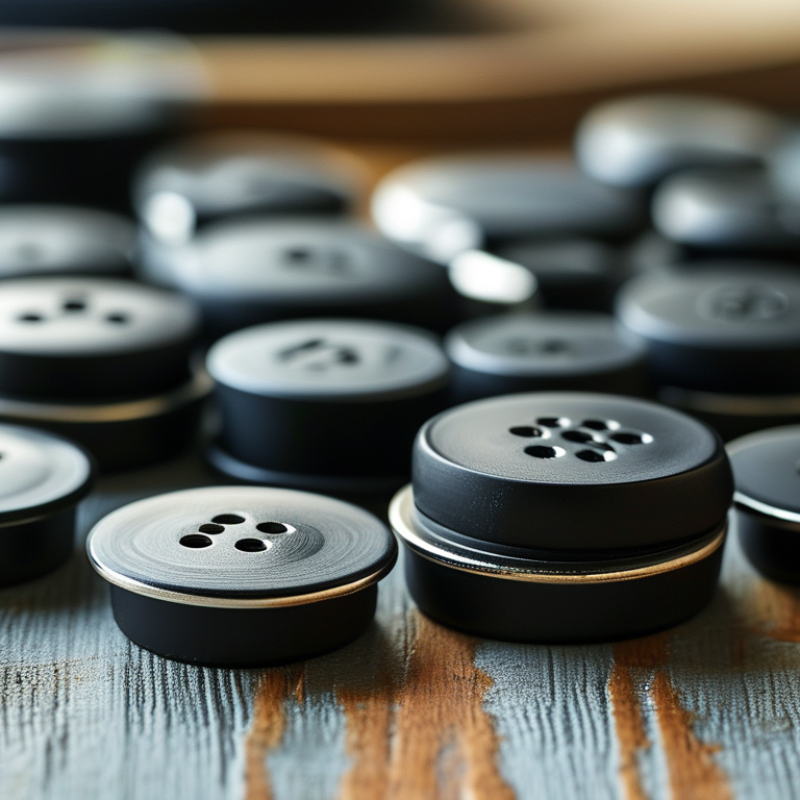
How to Use Press Snap Buttons for Your Product Designs?

Understanding Press Snap Buttons: Types and Uses

Press snap buttons are versatile elements used in various product designs, from clothing to accessories. They come in different types, including metal and plastic variants. Each type serves unique purposes based on material and use case. For instance, metal press snap buttons offer durability, making them ideal for outerwear. On the other hand, plastic options can be lightweight and colorful, fitting well with casual apparel.

When selecting press snap buttons, consider your product's functionality and aesthetic. Some buttons are harder to press, while others might not hold as securely. A common mistake is choosing based solely on appearance. Testing the ease of use is crucial. Your customers will interact with these buttons, and a poor choice can lead to frustration. Observing how they perform in real-life scenarios helps in refining your design.

Each press snap button type has its unique sound and feel. This sensory feedback can influence user experience. It's worth experimenting with various designs and placements. Not every design will work, and that's part of the learning curve. Keep feedback loops open to improve your selections continually. Understanding that there might be a mismatch between your expectations and user experience is essential for overall success.

Choosing the Right Material for Press Snap Buttons

Choosing the right material for press snap buttons is crucial for product designs. Various materials can significantly affect functionality and aesthetics. Common choices include metals, plastics, and composites. Each material offers unique properties that can enhance or detract from the overall design.

Metals, for example, provide durability and a premium feel. They are resistant to wear and corrosion. According to a recent industry report from the International Organization for Standardization, metal press snap buttons can withstand an average tensile strength of 120 N. However, their weight may limit application in lightweight designs.

On the other hand, plastics offer versatility and cost-effectiveness. They can be molded into different shapes and colors. A study from the Plastics Industry Association revealed that nearly 70% of manufacturers prefer plastic buttons for their ease of production. Yet, not all plastics have the same durability. Some may become brittle over time or fail under pressure. Evaluating these aspects is vital to choosing the right material for specific applications.

Step-by-Step Guide to Installing Press Snap Buttons

Installing press snap buttons can enhance your product designs significantly. These fasteners offer a simple, effective way to secure different materials together. To begin, gather essential tools: a press snap button kit, a cutting tool, a hammer, and a sturdy surface. Accuracy is crucial, so measure and mark where your buttons will go. Using the cutting tool, create a small hole in the fabric for each button. Ensure the holes are clean to avoid fraying.

Next, follow the instructions provided with your kit. Align the snap pieces correctly. Keep in mind that improper placement can lead to misaligned buttons. This step requires patience; you might need to adjust your holes. Once aligned, place the button parts into the holes and use the hammer to press them securely. Test each button to ensure they open and close smoothly. Remember, mistakes can happen. If a button doesn’t align, it’s okay to start over. Learning from these small setbacks can improve your technique over time.

Design Considerations for Incorporating Snap Buttons

Snap buttons can enhance product designs significantly. They offer functionality, convenience, and an appealing aesthetic. However, design considerations must be carefully addressed. Choosing the right placement is crucial. Too close to edges? They may pop off, affecting durability. Proper spacing ensures longevity and functionality.

Material choice is another important factor. Snap buttons come in various types. Each has a different level of strength and flexibility. Selecting a durable material is vital for functional designs. Additionally, consider the ease of use. A tight snap might frustrate users. Comfort in usability can lead to a better user experience.

Test the design extensively. Gather feedback from real users. Not everything will work as planned. Some designs might feel stiff or awkward. Iteration is key to improvement. Learning from failures can refine the final product. Engaging with users directly can reveal hidden issues. Emphasizing user experience leads to successful integration of snap buttons.

How to Use Press Snap Buttons for Your Product Designs? - Design Considerations for Incorporating Snap Buttons

Design Consideration Description Materials Application
Button Size Choosing the right size for functionality and aesthetics Plastic, Metal Fashion, Accessories
Color Matching Aligning button colors with product design Various Coatings Clothing, Bags
Functional Testing Ensuring buttons perform well under stress Rubber, Metal Outdoor Gear, Apparel
User Experience Ease of use and accessibility considerations Silicone, Plastic Kids’ Toys, Wearables

Maintenance and Care for Products with Snap Buttons

Maintaining products with press snap buttons requires attention to detail. Regular inspection is crucial. Check for dirt or debris that could hinder functionality. A simple wipe with a damp cloth can prevent issues. Ensure the buttons snap securely without resistance. If they feel sticky, they may need cleaning. Use a mild soap solution to remove any residue.

Consider the materials involved. Different fabrics can interact differently with snap buttons. Some may fray or wear down quicker. Regular washing and drying can impact button integrity. Pay attention to the care instructions relevant to the material. Over time, buttons can lose their snap. If this happens, it’s often a sign to replace them.

Embracing these maintenance habits contributes to longevity. It’s easy to overlook simple care, but neglect can lead to larger problems. Ensure that each button serves its purpose effectively. Make it a routine to assess and repair. A small investment of time today can prevent serious issues tomorrow.

Usage and Maintenance of Press Snap Buttons in Product Designs

FAQS

: What materials are commonly used for press snap buttons?

: Common materials include metals, plastics, and composites. Each has unique properties that affect design.

Why are metal snap buttons popular?

Metal buttons offer durability and a premium feel. They resist wear and corrosion, enhancing product longevity.

What is a downside of metal snap buttons?

Their weight can limit usage in lightweight designs. This can affect overall product functionality.

What are the benefits of using plastic snap buttons?

Plastics are versatile and cost-effective. They can be molded into various shapes and colors easily.

Do all plastics have the same durability?

No, some plastics may become brittle or fail under pressure. Evaluating their quality is essential.

What tools are needed for installing press snap buttons?

Basic tools include a press snap button kit, cutting tool, hammer, and a sturdy surface for work.

How can I ensure proper installation of snap buttons?

Measure and mark button placements accurately. Clean holes prevent fraying and ensure proper alignment.

What should I do if a button doesn’t align properly?

It’s okay to start over if a button misaligns. Learning from these mistakes can enhance your skills.

How can I maintain products with snap buttons?

Regularly inspect for dirt. Clean buttons with a mild soap solution and ensure they snap securely.

When should I consider replacing snap buttons?

If buttons lose their snap or become unresponsive, it’s likely a sign they need replacement.

Conclusion

Press Snap Buttons are versatile fasteners that enhance product designs across various applications. Understanding the different types and uses of Press Snap Buttons is crucial for selecting the right material that ensures durability and functionality. The installation process involves a clear, step-by-step guide to achieving optimal results.

When incorporating Press Snap Buttons into designs, it’s important to consider aesthetics and practicality, ensuring they complement the overall look of the product. Additionally, proper maintenance and care are essential for longevity, ensuring that products equipped with Press Snap Buttons remain in excellent condition. This comprehensive approach maximizes the benefits of using Press Snap Buttons in your designs.

Mason

Mason

Mason is a seasoned marketing professional with a deep expertise in the company's offerings and a passion for driving brand awareness. With a strong background in digital marketing strategies, he has an innate ability to connect with diverse audiences and effectively communicate product benefits.......