Fangyuan Metal Button
Global Industrial Overview
A comprehensive whitepaper outlining the procurement strategies, structural engineering, and technological developments of Sew-In Magnetic Closures.
1. The Evolution of Invisible Fastening Systems
For decades, traditional closure systems—zippers, mechanical buttons, and standard spring-loaded snaps—dominated the apparel, luggage, and commercial packaging industries. However, as global design trends shift toward minimal aesthetics, adaptive accessibility, and simplified assembly, the demand for high-strength, invisible fastening systems has skyrocketed. Sew-in magnetic snaps represent the pinnacle of this shift, offering an elegant combination of concealed integration and reliable latching mechanics.
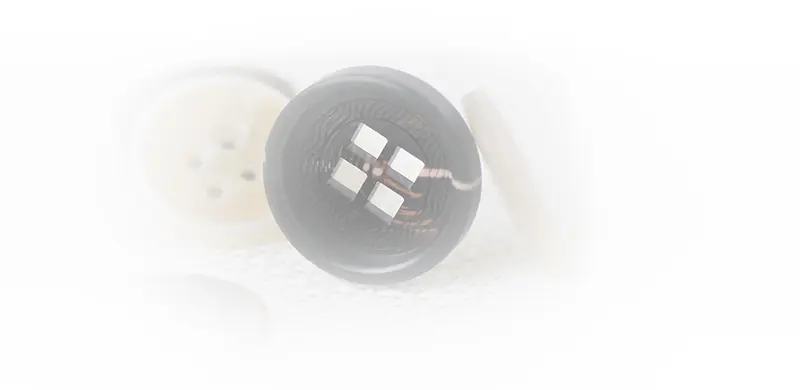
Engineered using rare-earth Neodymium (NdFeB) alloy cores, these snaps generate a concentrated magnetic circuit that delivers exceptional holding forces while maintaining an ultra-thin physical profile. Encapsulated in flexible, heavy-duty polymeric envelopes (primarily PVC or TPU), they can be stitched directly beneath outer fabrics, completely hiding the locking mechanism from view while providing robust weatherproofing.
2. Global Procurement Dynamics & B2B Structural Pain Points
Global procurement teams in luxury leather goods, military gear, adaptive fashion, and automotive interiors face unique technical hurdles when sourcing magnetic components. Ensuring consistent quality involves managing several vital performance metrics:
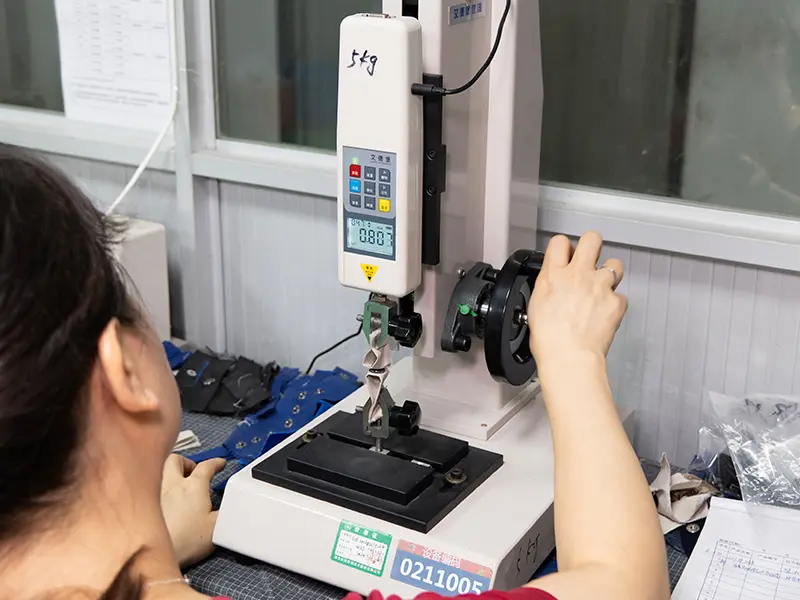
- Magnetic Flux Retention over Lifecycle: Sourcing low-grade magnets leads to rapid demagnetization. Standard specifications demand N35 grade neodymium or higher to prevent more than a 2% loss in magnetic strength over 10,000 cycles.
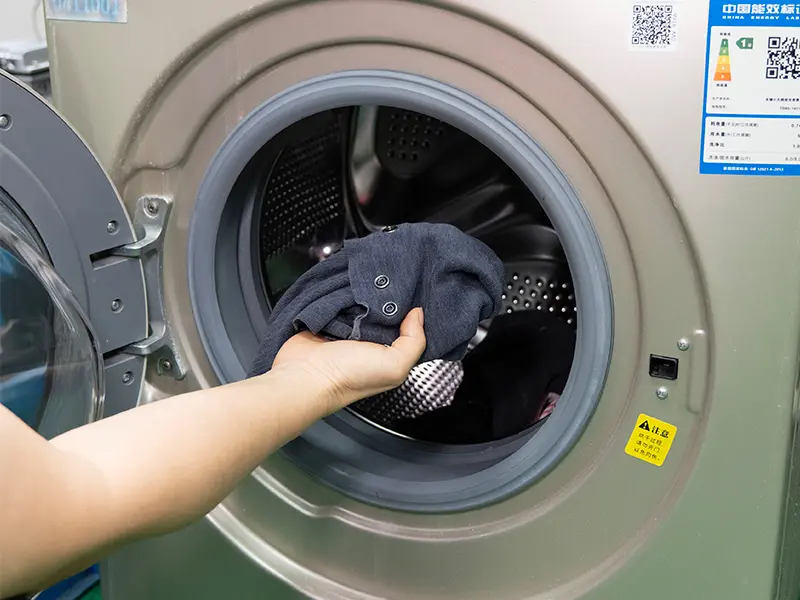
- Hermetic Sealing & Chemical Washing Resistance: Standard garments are subjected to hot-water washes, tumble drying, and dry-cleaning chemicals. The soft PVC or TPU casing must survive temperature ranges of -40°C to 120°C without crack-induced leakage, preventing corrosion of the inner iron plating.
- IATA Magnetic Field Shielding Compliance: Shipping high-volume magnetic products via air freight requires specialized shielding packaging to ensure external flux remains below 0.00525 gauss at 4.6 meters, preventing compass deflection on cargo aircraft.
| Property Specification | Standard Grade (N35) | High-Performance Grade (N45) | Industrial Grade (N52) |
|---|---|---|---|
| Residual Induction (Br) | 11.7 - 12.1 kGs | 13.2 - 13.8 kGs | 14.3 - 14.8 kGs |
| Max Operating Temperature | 80°C (176°F) | 80°C (176°F) | 60°C (140°F) |
| Corrosion Resistance Rate | 24h Salt Spray (Standard) | 48h Salt Spray (Medium) | 96h Salt Spray (Heavy-Duty) |
| Common Industry Use-case | Lightweight apparel, wallets | Heavy jackets, activewear | Automotive components, tactical bags |
3. Advanced Material Engineering: TPU vs. PVC Casing
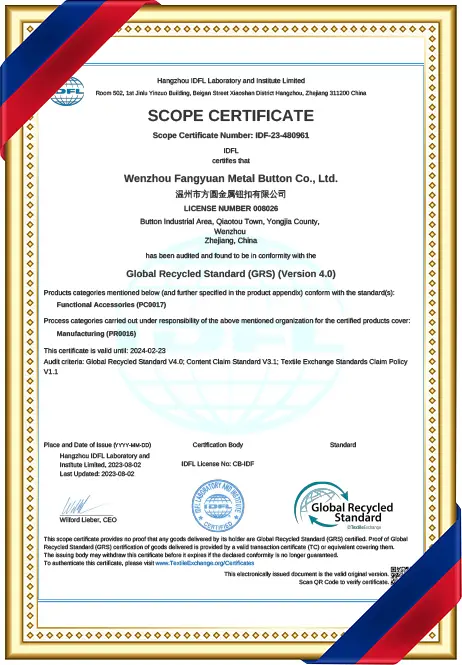
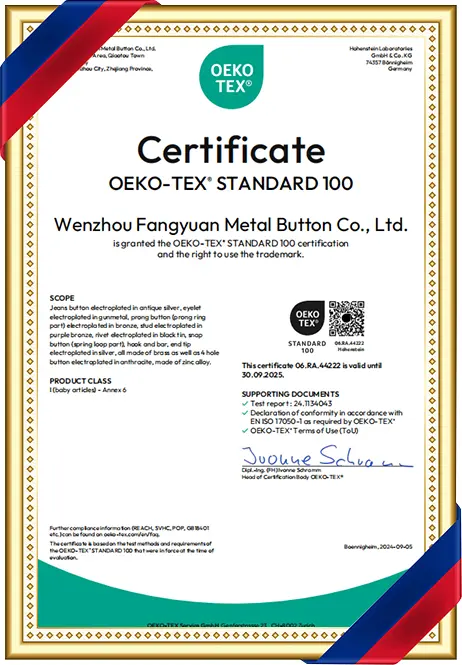
The selection of the wrapping material defines the longevity of a sew-in magnetic snap. Standard PVC (Polyvinyl Chloride) pockets offer excellent cost efficiency and are highly compatible with high-frequency welding machines. However, PVC can become brittle in extreme cold climates (-15°C and below), causing the casing to crack during heavy structural flexing. TPU (Thermoplastic Polyurethane), while slightly costlier, provides superior elongation at break, high abrasion resistance, and absolute environmental compliance (phthalate-free), which is essential for brands targeting strict green certifications like Oeko-Tex Standard 100.


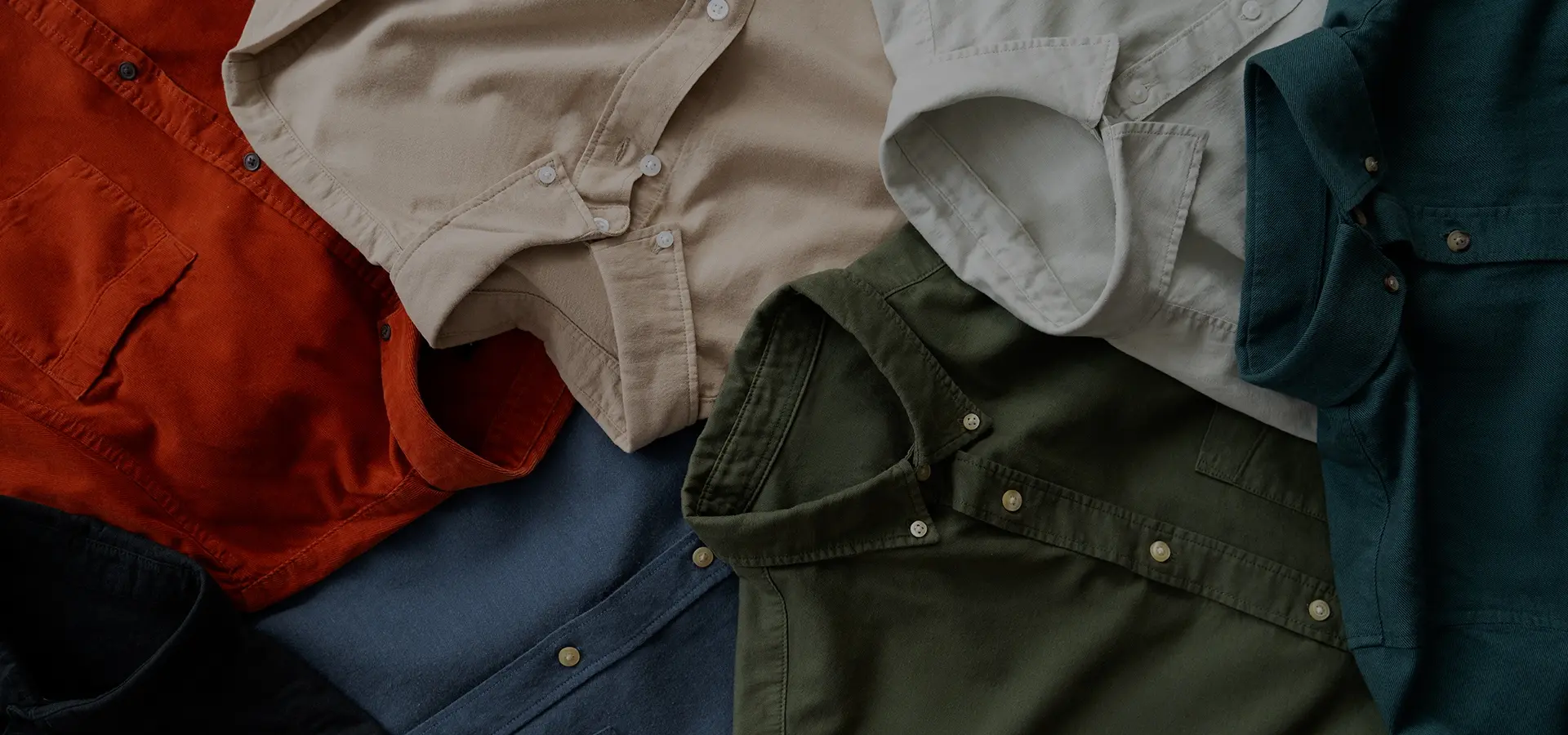
 Apparel & Shirts
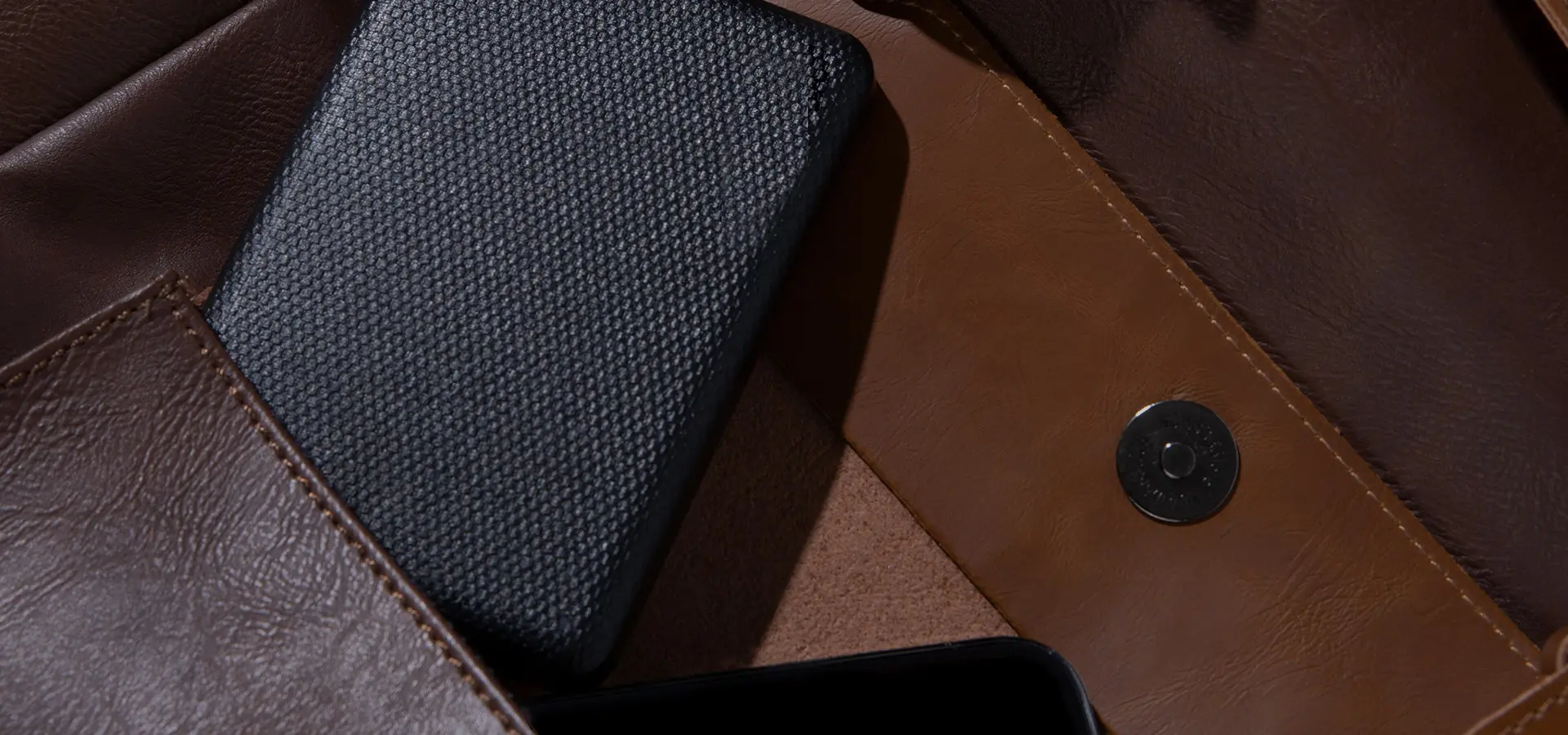
 Luggage & Bags

 Business Suits
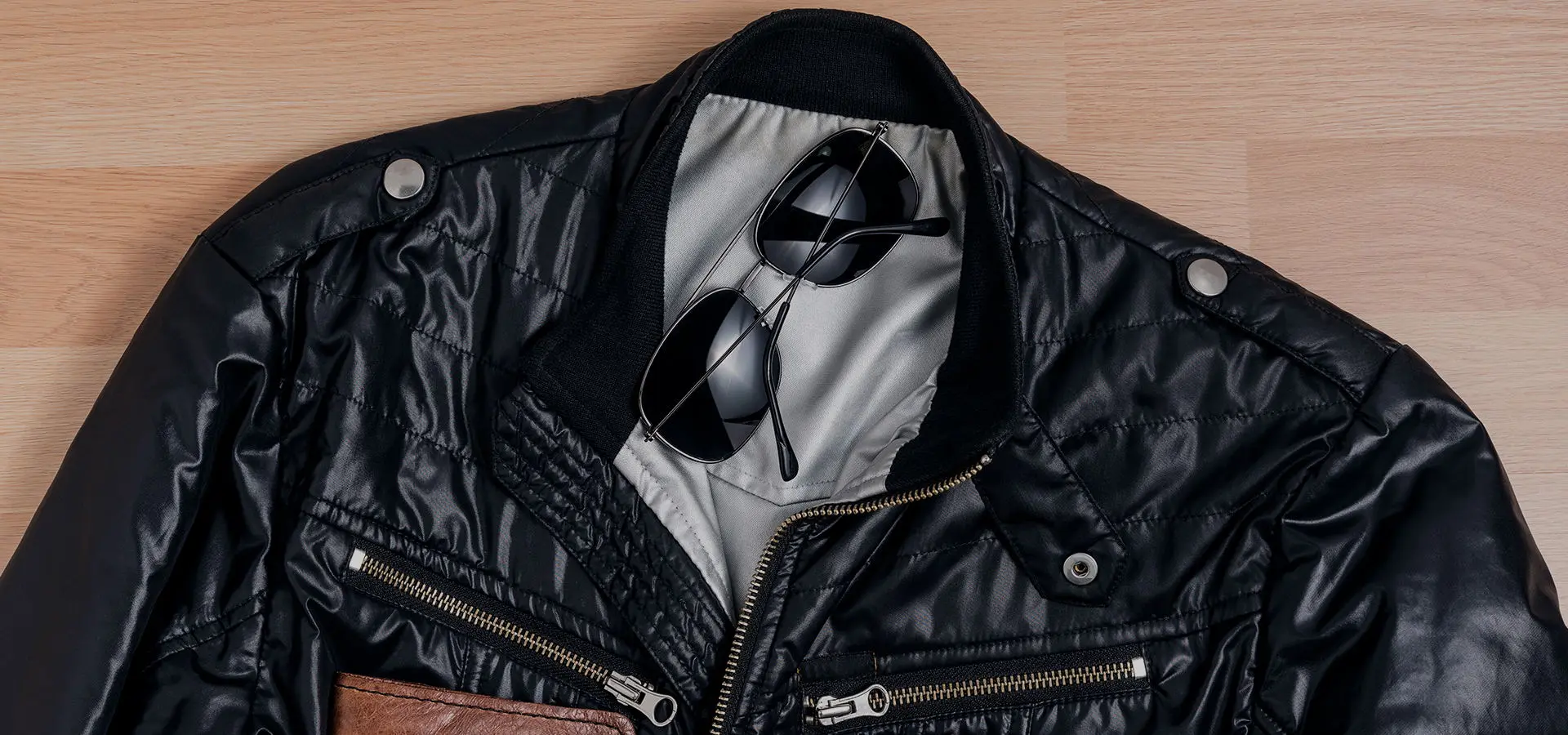
 Leather Jackets
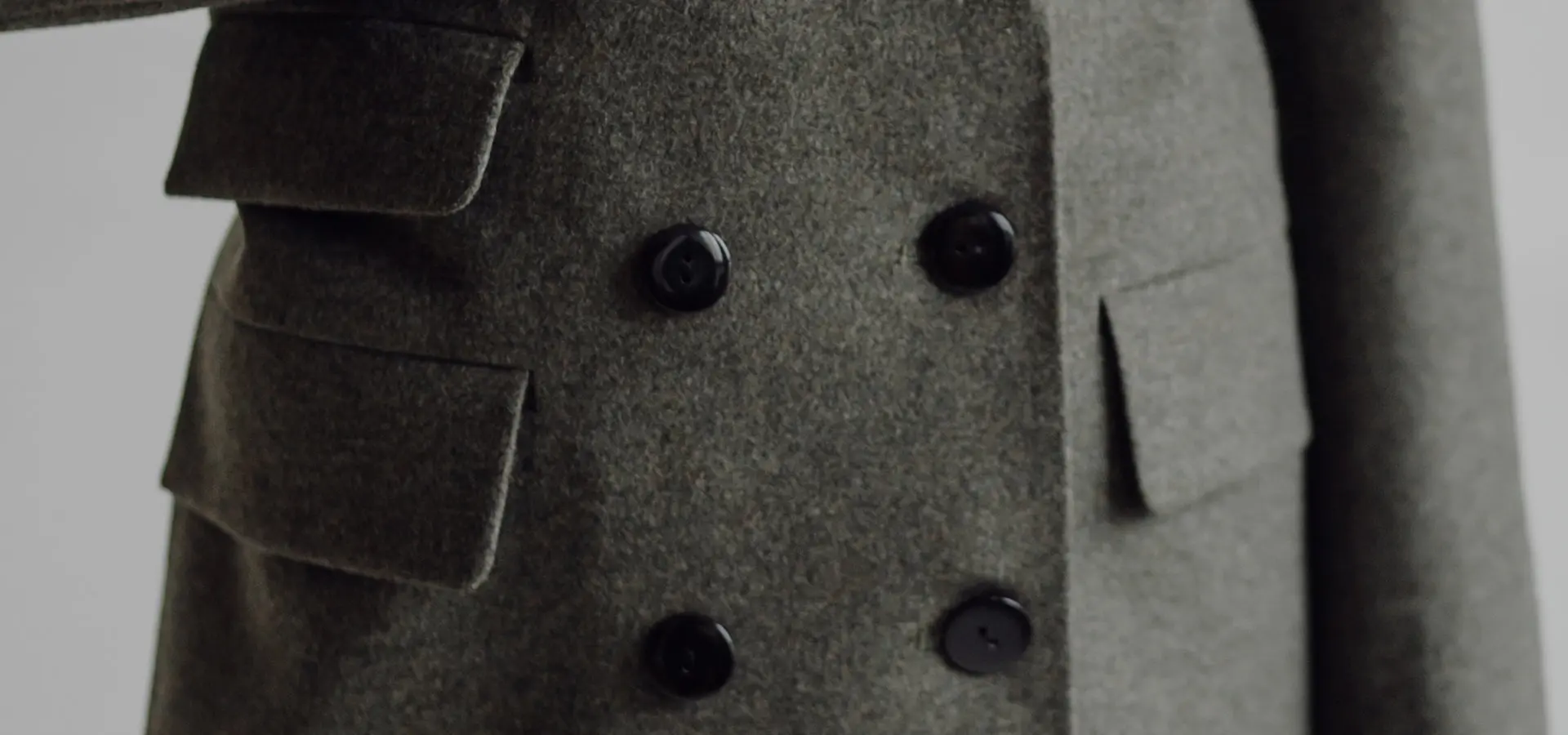
 Windbreakers

 Sweaters