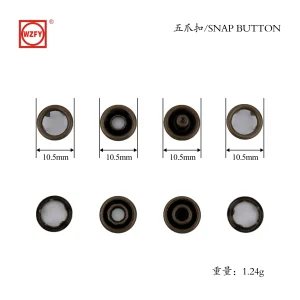
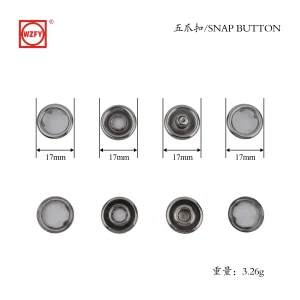
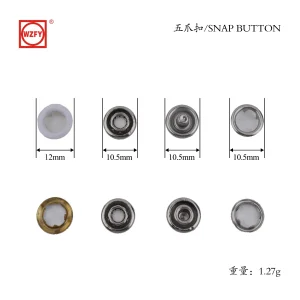
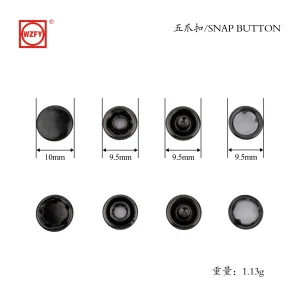
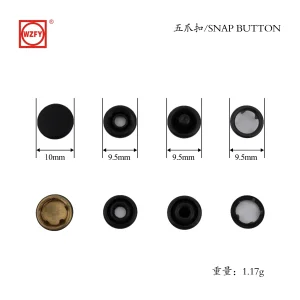
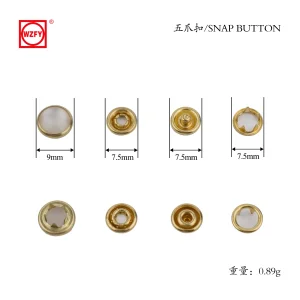
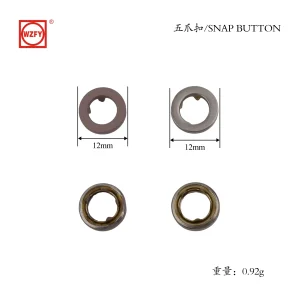
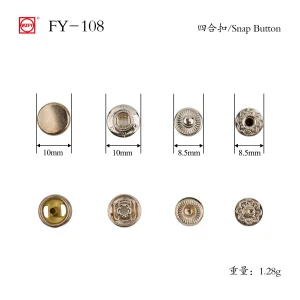
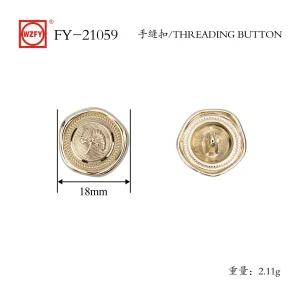
Premium metal fasteners and five-prong buckles engineered for durability, designed to exceed local Mumbai and international textile quality benchmarks.
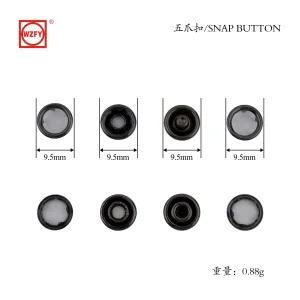
Analyzing Mumbai's status as a critical node in India's global textile manufacturing network and the specific demand for high-integrity metal fasteners.
Mumbai, historically known as the "Manchester of the East," has transitioned from its traditional textile mill roots in areas like Lower Parel and Girangaon into a sophisticated garmenting, apparel design, and export hub. Modern Mumbai, along with its neighboring industrial clusters in Thane, Bhiwandi, and Navi Mumbai, hosts thousands of manufacturing units producing everything from high-end ethnic wear to bulk baby apparel and industrial uniforms. Underpinning this massive apparel engine is the critical trims and accessories ecosystem.
Within this ecosystem, the five-prong snap button (or five-prong buckle) is not a minor component; it is a structural necessity. Used extensively in infant wear, light knitwear, workwear, and activewear, the five-prong configuration ensures a secure, flat closure that distributes pull tension evenly without tearing lightweight fabrics. In the bustling garment districts of Dharavi, Kurla, and the export processing zones of SEEPZ (Santacruz Electronic Export Processing Zone), global sourcing managers continuously audit the supply chain for these precision components to satisfy international compliance and prevent product recalls.
For Mumbai exporters handling accounts like H&M, Zara, Target, and Marks & Spencer, procuring five-prong buttons directly from qualified manufacturers is critical. While Mumbai hosts numerous local traders in Crawford Market or Mangaldas Market, the inconsistency of alloy compositions, plating quality, and raw material purity often forces premium exporters to source directly from major manufacturers with verified lab reports and industrial-scale production capacities.
How automation, environmental compliance, and materials science are shaping the global market for metal garment accessories.
The global apparel fastners market is moving away from low-grade materials and manual processing towards intelligent, sustainable, and automated systems. In past decades, zinc alloy and basic iron components dominated. Today, advanced brass (copper-zinc alloy) and high-grade stainless steel are standard for premium snaps. This shift is driven by strict global chemical regulations, including EU REACH and US CPSIA (Consumer Product Safety Improvement Act), which regulate lead, cadmium, and nickel release.
Key Industrial Trends:
Traditional electroplating generates significant heavy metal wastewater. The industry is adopting advanced closed-loop filtration and eco-friendly finishes. Popular specifications include lead-free plating, nickel-free plating, and electrophoretic paint processes that minimize skin irritation.
With global labor costs rising, apparel factories in Mumbai and worldwide are moving away from manual foot-pedal presses. Snap suppliers must produce products with tight dimensional tolerances (±0.05mm) to work reliably with high-speed automatic pneumatic attaching machines.
Innovative design optimizes material usage, reducing snap weight without sacrificing pull-force limits. High-tensile brass wire allows for thinner prongs that pierce fabrics cleanly without tearing warp or weft threads.
Global buyers are also looking closely at the traceability of their trim components. To meet these demands, button manufacturers are implementing end-to-end ERP tracking. Every batch of raw brass or stainless steel coil can be traced from smelting to final stamping and electroplating. This transparency is crucial for brands seeking GRS (Global Recycled Standard) or OEKO-TEX certifications.
Combining advanced industrial manufacturing in China with the dynamic market demands of India's commercial capital.
While India has strong regional manufacturing clusters, China's Industry 4.0 initiatives have created highly efficient trims and accessories supply chains. Key manufacturing centers, like Qiaotou in Wenzhou, combine automated production, material science, and clean plating ecosystems. Wenzhou Fangyuan Metal Button Co., Ltd. demonstrates how this modern manufacturing capacity helps global exporters.
China's manufacturing model leverages advanced automated technology to ensure product quality and consistency. High-speed progressive die stamping machines can produce up to 1,200 snap button parts per minute with exceptional dimensional accuracy. Automated optical sorting systems check every button for defects under high-resolution cameras, ensuring only within-tolerance fasteners reach packaging lines.
For apparel manufacturers in Mumbai, partnering with a supplier built on China's Industry 4.0 framework provides key business advantages: consistent product quality, stable pricing, and reliable delivery times during seasonal production peaks. Wenzhou Fangyuan's direct control over manufacturing processes allows them to quickly customize prong lengths, tension levels, and surface finishes to meet specific fabric requirements.
By utilizing progressive multi-cavity dies, automated plating lines, and digital monitoring systems, we minimize material waste and energy usage. This operational efficiency allows us to supply high-quality, eco-compliant brass snap buttons at competitive prices worldwide, including to major garment exporters in Mumbai.
A closer look at how different industries select and utilize specialized metal trims and snaps to meet functional and aesthetic needs.
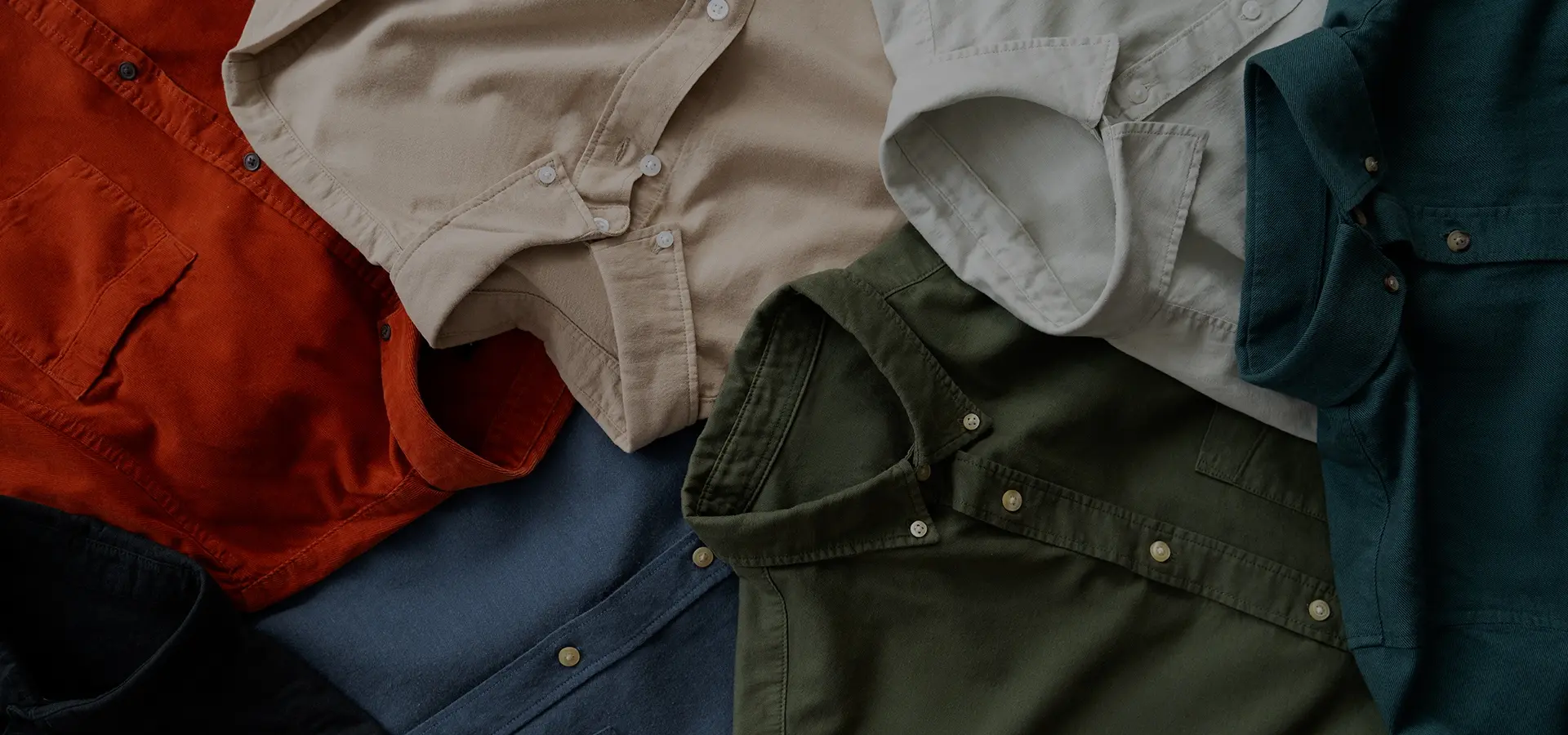
For shirts, button design focuses on clean lines and function. The choice of closure directly affects the line, fit, and neat appearance of the finished garment.
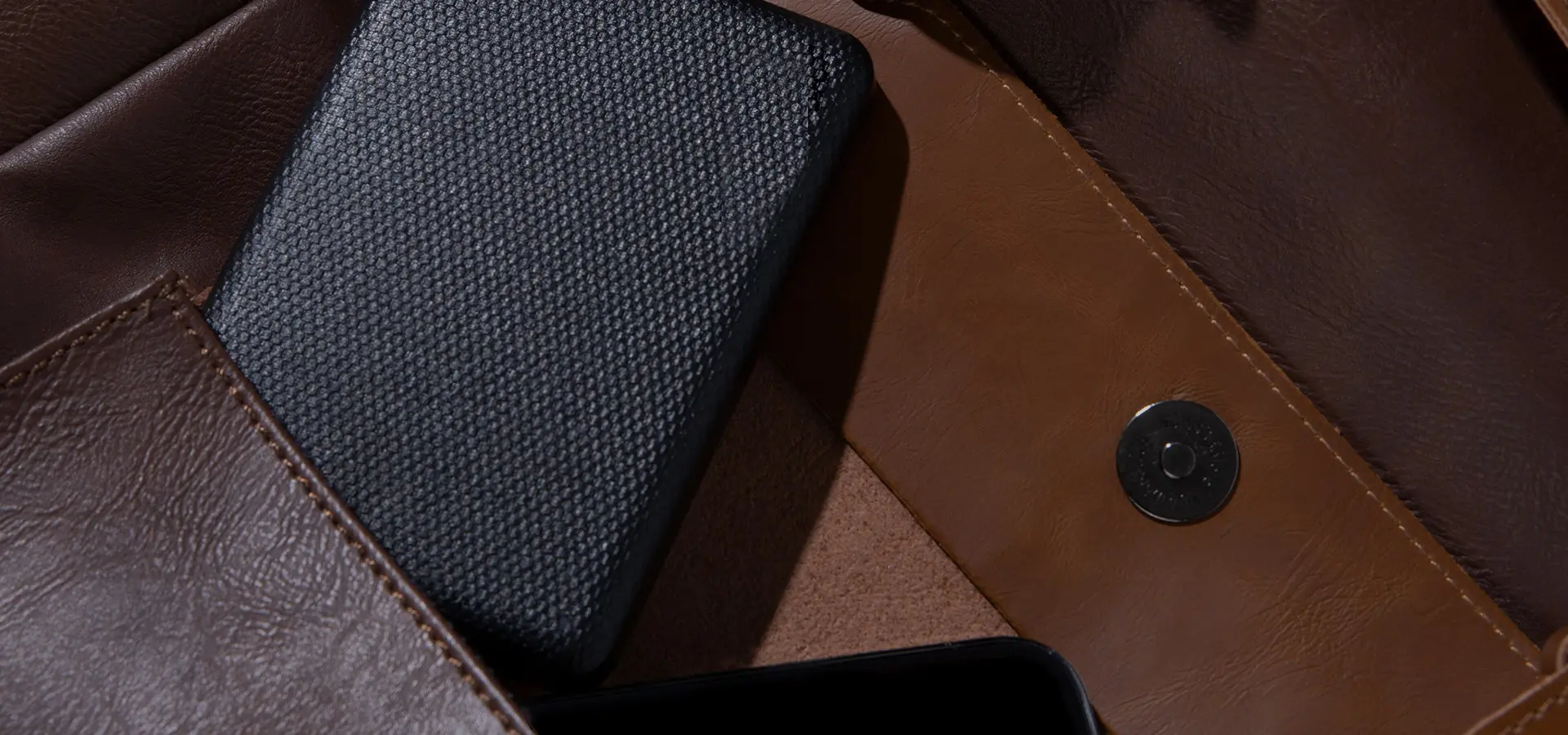
Luggage hardware requires durability, secure closure, and pull-strength. Snaps and D-rings reinforce load-bearing points and help keep contents secure.
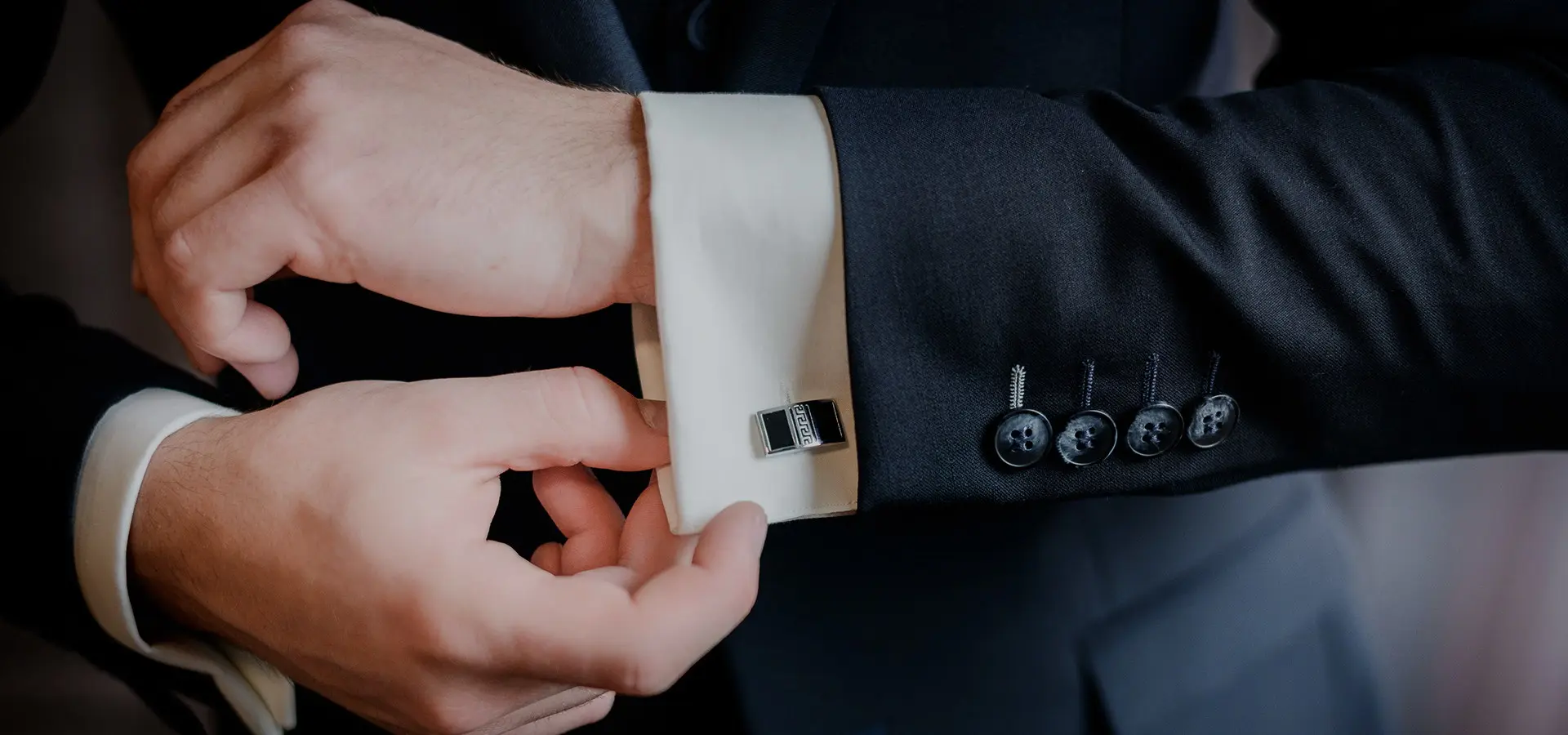
Suit buttons help define the garment's silhouette. They serve a functional role while adding to the suit's formal aesthetic and style.
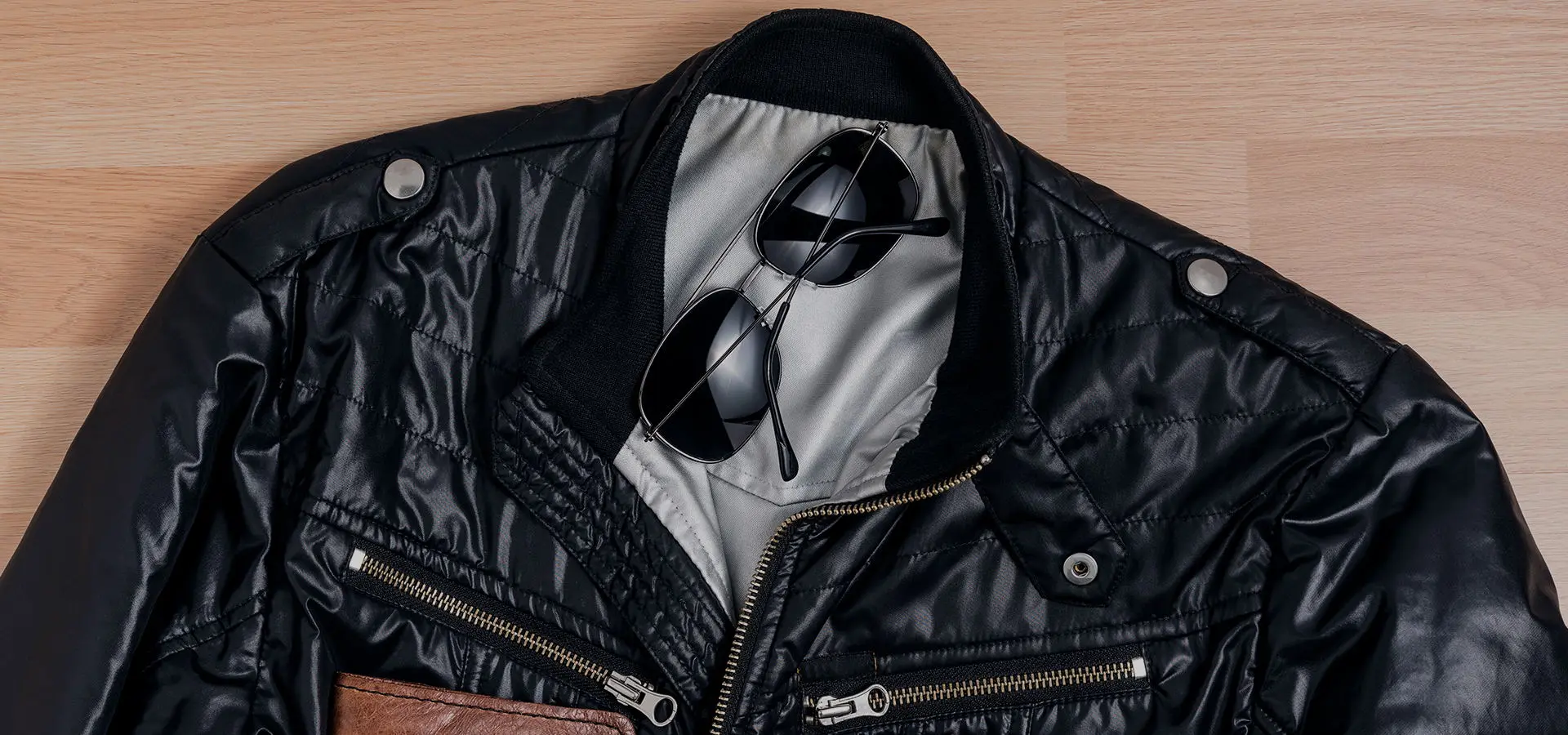
Leather wear demands heavy-duty hardware. Heavy snap buttons and rivets complement thick fabrics and provide reliable, long-lasting performance.
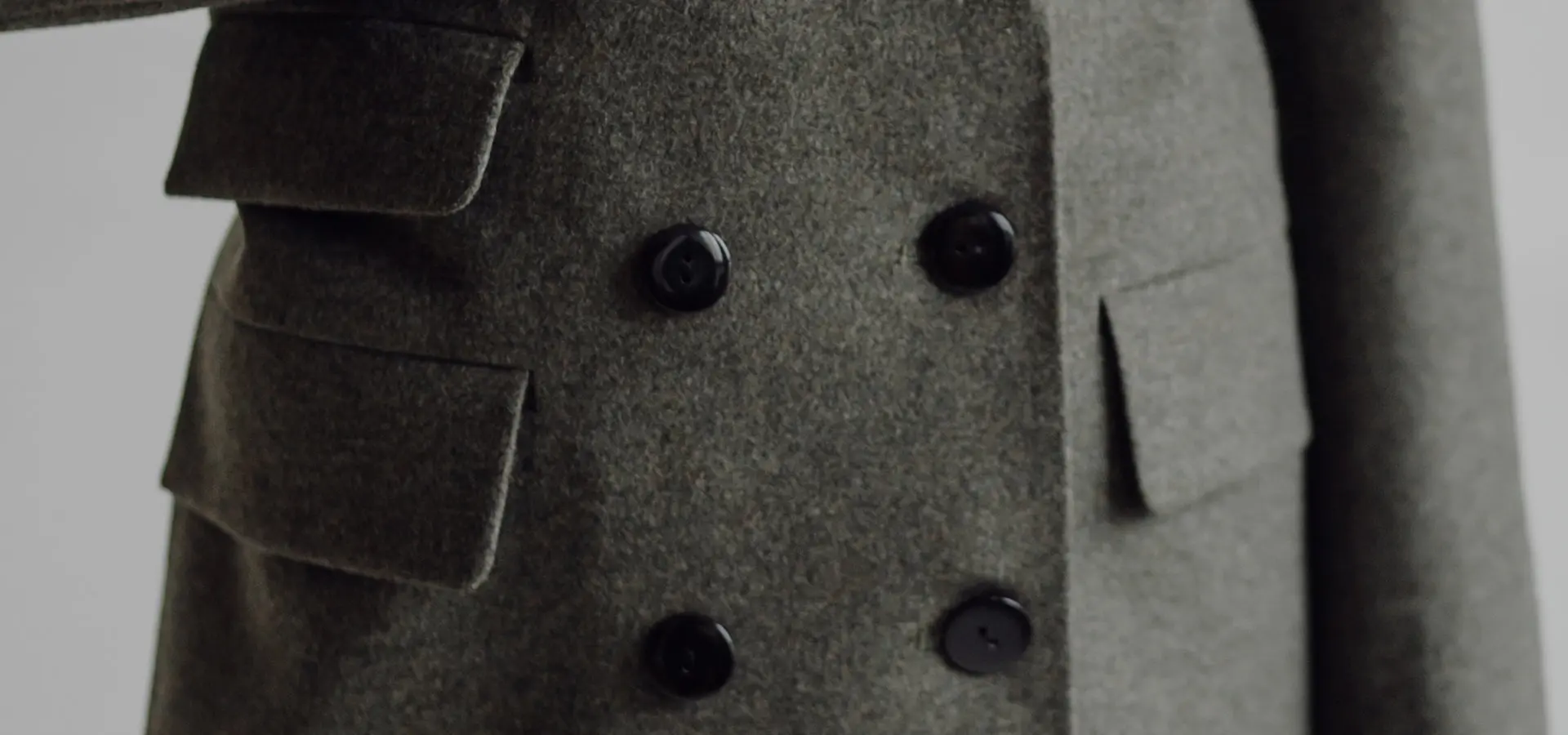
Windbreaker closures balance weather protection with functionality, offering secure, easy-to-use snaps that suit long, protective coats.

Knitwear hardware must offer lightweight, secure closures. Smooth prongs prevent snagging or stretching delicate knitted fabrics.
 Shirt
Shirt
 Luggage
 Business Suit
 Leather Jacket
 Windbreaker
 Sweater
In apparel manufacturing, selecting the right base metal is crucial. Iron five-prong buttons are a cost-effective option, but their vulnerability to rust makes them unsuitable for garments that undergo frequent washing or are exported to humid regions like Mumbai. For long-term durability and quality compliance, manufacturers generally recommend brass or stainless steel.
Brass (Copper-Zinc Alloy) is highly formable and corrosion-resistant. It holds detailed logos well and can be finished with a variety of electroplated options, from antique copper to gunmetal. Wenzhou Fangyuan uses high-grade H62/H65 brass wire to manufacture button prongs, ensuring they pierce fabric cleanly and bend smoothly without breaking under pressure.
Stainless Steel (primarily Grade 304 or 316) offers exceptional strength and natural rust resistance without the need for additional plating. This makes it an excellent choice for heavy-duty workwear, outerwear, and marine apparel that must withstand exposure to moisture and detergent.
Using the wrong prong length is a common cause of snap failure on the manufacturing floor. If the prongs are too short, the button will easily pull out under tension. If they are too long, they will bend incorrectly during assembly, creating sharp edges that can damage the fabric. Sourcing managers should follow these standard industry guidelines:
Wenzhou Fangyuan Metal Button Co., Ltd. was established in 1995 and is headquartered in Qiaotou, Wenzhou, China's largest button production base. Nestled between mountains and rivers, the company boasts beautiful scenery and convenient transportation.
As a joint-stock enterprise, the company occupies 30 mu (approximately 16 acres) of land, with a construction area of 15,000 square meters. It currently employs over 500 people, including over 90 management and technical personnel, and boasts an annual output value of 100 million yuan. The company holds the right to import and export independently. We specialize in the production of metal buttons and high-quality clothing accessories that sell well throughout the country and globally.
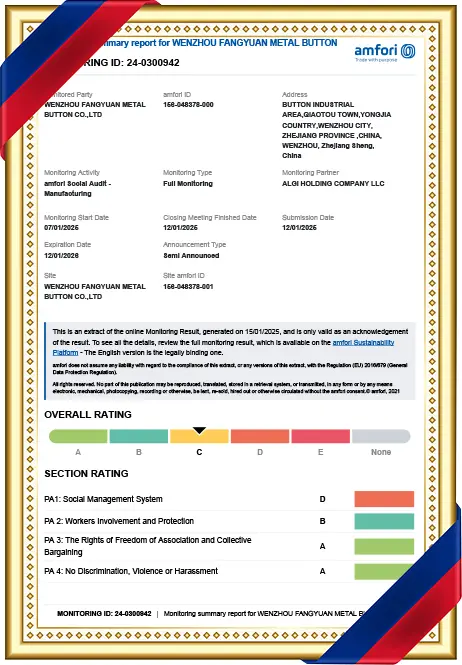
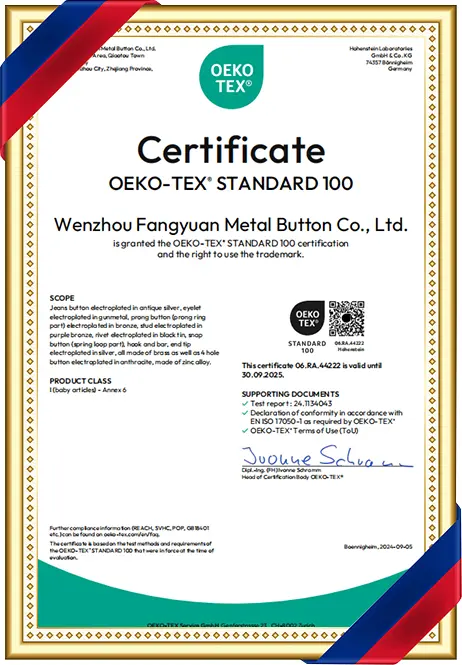
Our production facilities are certified to international quality and environmental management standards, including ISO9001:2008 and ISO14001:2004. We also hold the right to use the EU environmental label Oeko-Tex Standard 100, ensuring our products meet strict chemical safety guidelines for infant apparel.
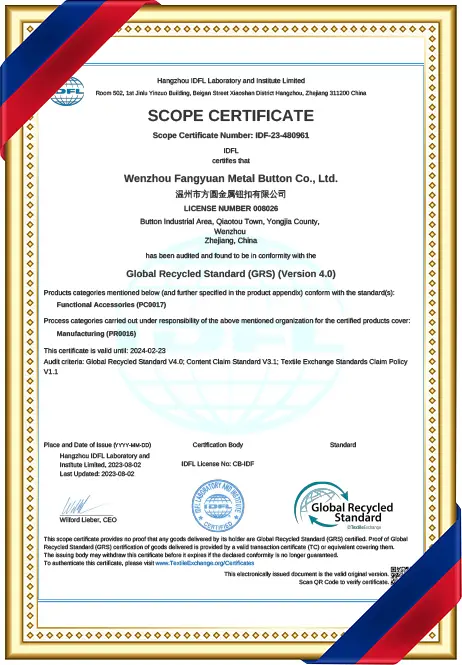
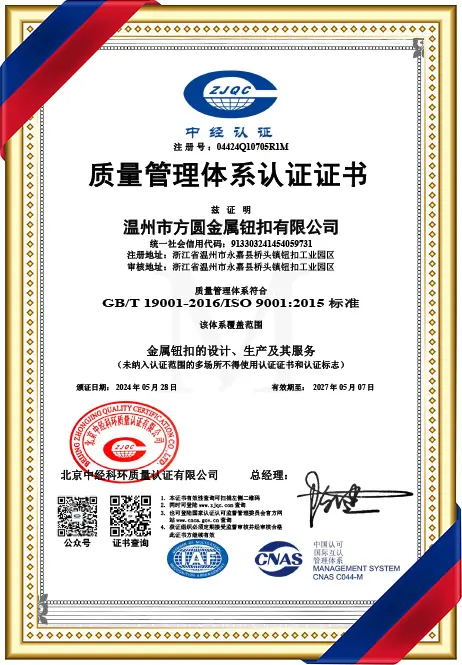
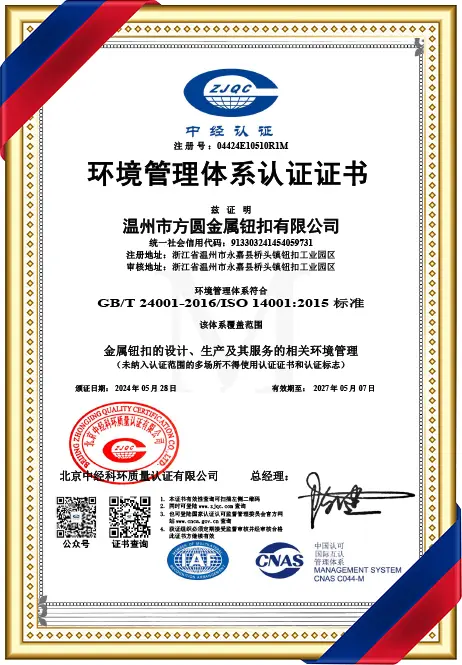
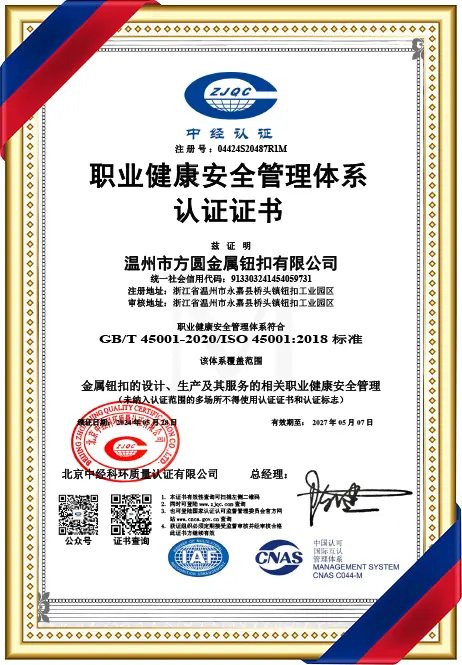
Bespoke Solutions: Our custom design services are supported by years of manufacturing experience. We supply durable metal buttons, jeans buttons, two-prong/three-prong trouser hooks, and rivets to buyers in Europe, the Americas, Southeast Asia, and the Middle East.
Browse our selection of specialized buttons, snaps, and industrial accessories. Built for performance and tested to meet global quality standards.
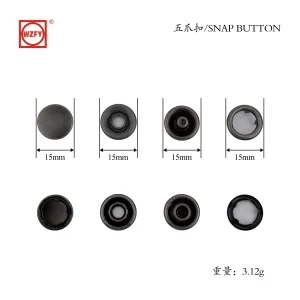
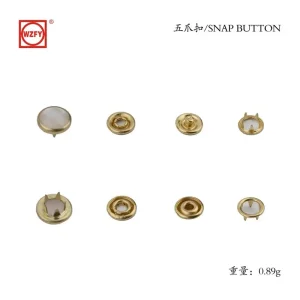
Technical troubleshooting for apparel production lines working with five-prong metal fasteners.
Even high-quality snap buttons can fail if the attaching machine is not properly calibrated or if the operator uses incorrect tooling. During the snap attachment process, five sharp prongs must pierce the fabric fibers without cutting them, then bend uniformly inward around the ring cap. This process forms a secure mechanical lock that holds the snap in place.
If the die pressure is set too high, it can compress the metal components too far, crushing the internal spring mechanism and making the snap difficult to open. If the pressure is too low, the prongs will not fold completely, leaving sharp edges that can scratch skin or catch on laundry. Sourcing managers should work closely with technical teams to ensure attaching machines are calibrated for each specific fabric thickness.
1. Prong Deformation: Check that the upper and lower dies are properly aligned (tolerance within ±0.02mm).
2. Fabric Tearing: For delicate knits, place a small fabric interlining patch between the layers to distribute tension.
3. Varying Tension: Inspect attaching dies weekly for wear. Worn dies cannot roll prongs consistently, leading to uneven pull-force results.
4. Plating Damage: Use polyurethane-capped upper dies when attaching painted or custom-coated snaps to prevent scratching the finish.
Expert guidance and technical advice for procurement managers sourcing five-prong snaps and metal garment accessories.
Optimize your apparel manufacturing supply chain. Request technical catalogs, compliance certifications, and free samples for your business.
Send Inquiry Now Fangyuan Metal Button